Tuscany's wine country is Italy at its most indulgent: vineyard stays, truffle hunts, Chianti tastings, and slow lunches that stretch into evening. Here's how to plan a week there.
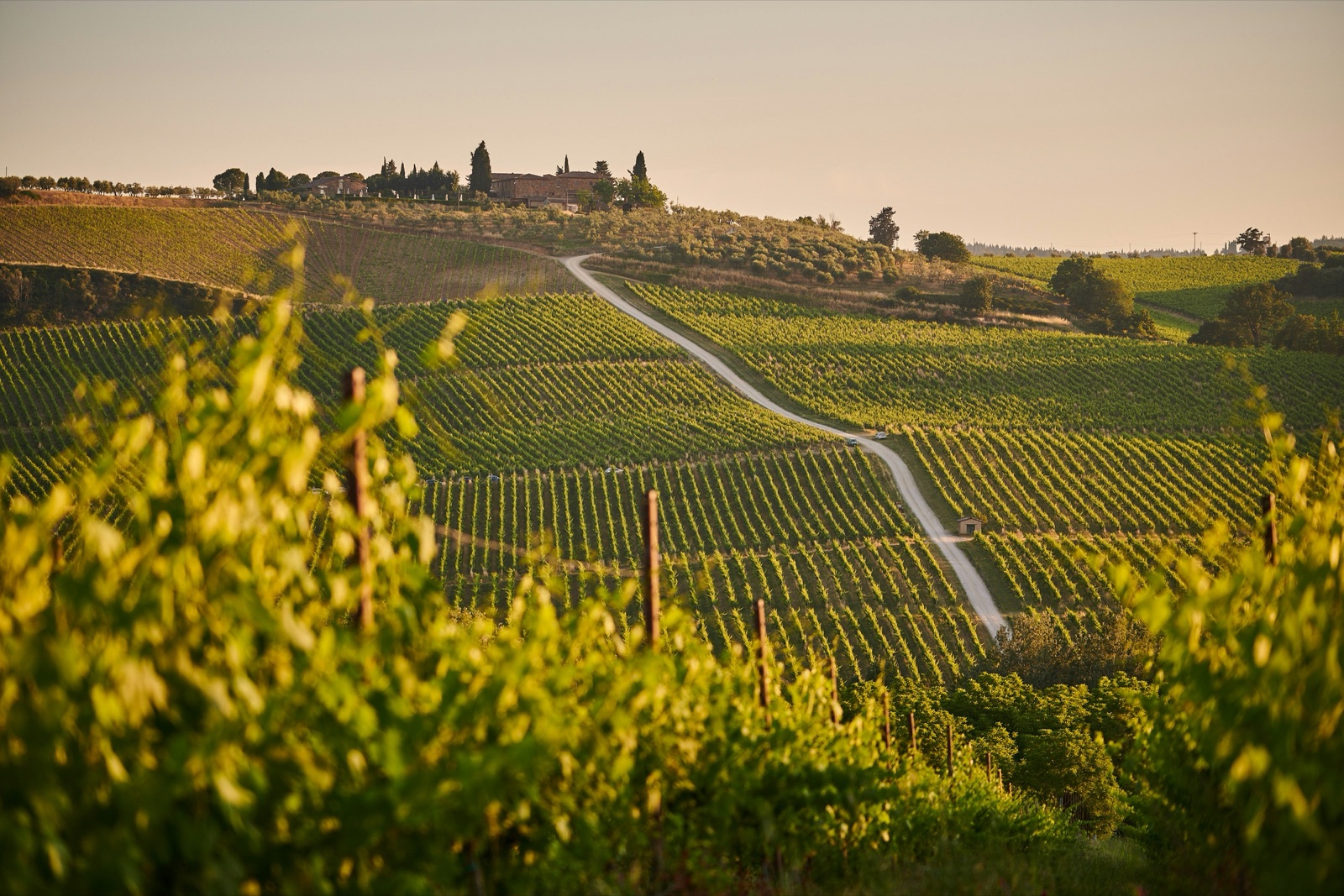
The road unspools through hills the colour of old gold, past silver-green olive groves and vineyards running in perfect rows toward the horizon. You’re on the SR222, the Via Chiantigiana, and the air through your window smells of rosemary and warm earth. A hand-painted sign points toward a cantina. You pull over, of course, and inside someone pours you a glass of Chianti Classico so ruby-dark it looks like stained glass. This is Tuscany at its most elemental: generous, beautiful, and deeply serious about food and wine. A week here doesn’t just feed you. It recalibrates you.
Tuscany is one of those rare places where landscape, food, and culture feel inseparable, as if the hills were shaped to grow Sangiovese and the Sangiovese made to go with bistecca and hand-rolled pici. A Tuscany wine tour is the centrepiece of any visit: Chianti Classico estates welcome visitors for much of the year, and the Tuscany food and wine tradition runs from Montalcino’s Brunello to the truffles of San Miniato. A Tuscany itinerary of seven days can cover Florence, the Chianti hills, Siena, and Montepulciano without rushing. What sets the region apart is the density of excellence. Within about two hours of Florence you can taste Brunello di Montalcino, Vino Nobile di Montepulciano, Vernaccia di San Gimignano, and celebrated Super Tuscans, then add medieval hill towns, superb olive oil, truffle country, and pecorino dairies.
Drive the Chianti Classico Road and Visit the Estates
The SR222 between Florence and Siena is your spine for the week. Make time for two estates. Badia a Coltibuono near Gaiole in Chianti, a former abbey founded in the 11th century, offers cellar tours and tastings beneath stone vaults, plus well-regarded cooking classes. Antinori nel Chianti Classico in Bargino is a striking modern winery by architect Marco Casamonti, sunk into the hillside, with tours that pair the architecture with tastings of Antinori wines such as Tignanello. Book both online in advance.
Hunt for Truffles Near San Miniato
In autumn, the prized white truffle turns San Miniato, a hill town about 40 kilometres west of Florence, into a pilgrimage site. Join a morning hunt with a local truffle hunter (tartufaio) and his dog through the surrounding woods, usually followed by a tasting. The National White Truffle Market Exhibition fills the town over the last three weekends of November, with shaved truffle on everything from tagliolini to eggs. Outside the season, the views from the hilltop Rocca still justify the detour.
Eat Bistecca alla Fiorentina in Florence, Properly
A thick T-bone, traditionally from Chianina cattle and grilled over hot coals, is one of Italy’s great ritual meals. Buca Mario, a cellar restaurant in the historic centre serving Florentines since 1886, does the classic dinner version. For a no-frills lunch, Trattoria Mario near the San Lorenzo market is a local institution. Order it al sangue (rare), as Florentines insist, with cannellini beans dressed in olive oil and sage and a glass of Tuscan red.
Wine Tasting in Montalcino and Montepulciano
These medieval hill towns produce two of Italy’s most prestigious reds. In Montalcino, taste Brunello at the Enoteca La Fortezza, inside the town’s 14th-century fortress with views over the Val d’Orcia. In Montepulciano, the main street is lined with cantinas pouring Vino Nobile; don’t miss the vast historic cellars of De’ Ricci. The towns are under an hour apart by car, so plan a full day looping both.
Taste Pecorino in Pienza
Pienza was rebuilt as an ideal Renaissance town by Pope Pius II, who was born here, and is now synonymous with sheep’s milk cheese. Duck into the small shops along its main street and taste pecorino fresco (young and milky), stagionato (aged and sharp), and versions aged in ash or walnut leaves. Buy more than you think you need.
Budget: An agriturismo is the quintessential Tuscan choice. Podere Il Casale near Pienza offers simple rooms, farm-to-table dinners, and cheese made on the farm, a genuinely special stay for the price.
Mid-Range: Castello di Spaltenna in Gaiole in Chianti occupies a restored medieval fortified monastery with a pool, a serious Chianti Classico cellar, and rooms that feel like a film set.
Luxury: Castiglion del Bosco, a Rosewood hotel near Montalcino, is a restored medieval estate with its own Brunello winery, spa, restaurants, and a private golf course across thousands of acres of Val d’Orcia countryside. If you’re going to splurge once, splurge here.
September and October are the sweet spot: harvest brings the estates to life, the light turns golden, and crowds thin after the August peak. May and June offer wildflowers, mild weather, and green hills. Avoid August if possible: it’s hot, expensive, and crowded. Truffle lovers should aim for November. Winter (December to February) is quiet and atmospheric, though some smaller cantinas close.
Fly into Florence Airport (FLR) or Pisa International Airport (PSA), both well connected to European hubs, with transatlantic connections via Rome (FCO) or Milan (MXP). For wine country, rent a car: it’s the only practical way to reach estates, hill towns, and agriturismi on your own schedule. Book ahead, as summer rates climb fast. Florence and Siena are linked by train and bus if you want a day without driving.
🎒 Pack for Tuscany: Travel Wine Carrier Bag · Comfortable Walking Shoes · Lightweight Daypack · Europe Travel Adapter · Travel Journal
🗺️ Book tours & experiences in Tuscany: Browse on GetYourGuide → · Browse on Viator → 🍷 Chianti wine region tour from Florence: Book on Klook →
🛡️ Travel insurance for this trip: Get covered with SafetyWing → 🔒 Stay secure while travelling: Get NordVPN →
A Tuscan week ends with a particular kind of tiredness: too much good wine, too much oil-soaked bread, too many dinners that ran past midnight. It’s the best kind there is. Book the car, find a farmhouse, and let the road take you somewhere extraordinary.