The Amalfi Coast is one of Italy's most dramatic drives: cliff-hanging roads, pastel villages, and turquoise sea. Here's how to do it right.
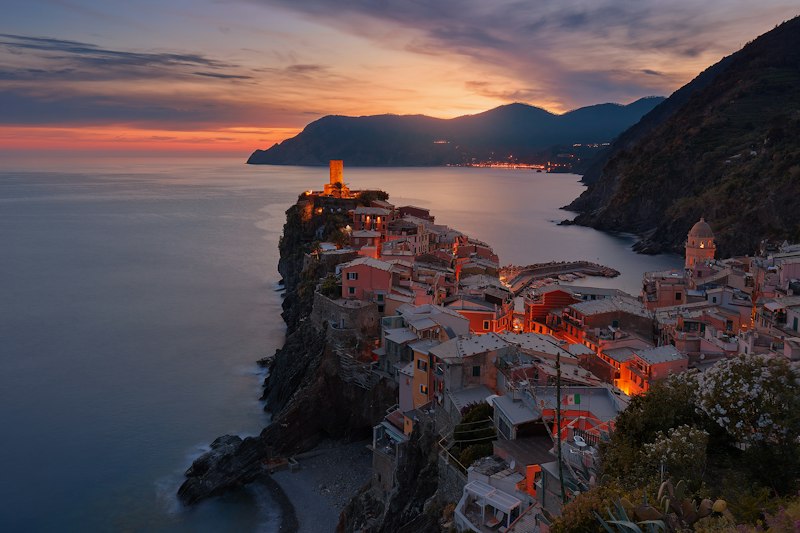
The first hairpin bend hits you like a dare. Your driver swings around a cliff edge with the casual confidence of someone who has done this ten thousand times. Below, the Tyrrhenian Sea glitters in lapis and turquoise. Above, lemon groves cling to terraced hillsides, and candy-coloured houses tumble toward the water. This is the SS163, the Amalfitana, one of the most exhilarating roads on the planet. Welcome to the Amalfi Coast, where beauty is measured in vertigo.
Few coastlines pack this much theatre into so short a stretch. The Amalfi Coast became a UNESCO World Heritage Site in 1997, recognised not just for its scenery but for the human ingenuity it took to live here: clinging towns, hand-built terraces, medieval watchtowers, and old paper mills tucked into river gorges. Whether you’re planning a day trip or a week-long Amalfi Coast itinerary, the classic Amalfi Coast drive along the SS163 is the centrepiece of any visit. Unlike the manicured glamour of the French Riviera, the Amalfi Coast rewards effort. The roads are narrow, the steps are steep, and the crowds are real, but the payoff is a place that remains stubbornly itself: fishing boats at dawn, laundry hanging above the sea, and limoncello that tastes like liquid sunshine.
Drive (or take the SITA bus along) the SS163. The Amalfitana runs about 40 kilometres from Positano to Vietri sul Mare, and navigating it is a rite of passage. If you’d rather not white-knuckle the wheel, SITA SUD buses link Sorrento, Positano, Amalfi, and Salerno for a few euros a ride; buy tickets before boarding at a tabaccheria or newsstand, and sit on the sea side for the views. Drivers should go early (before 9am) or late in the day to avoid gridlock, expect scarce and expensive parking, and check current summer traffic rules before renting a car, since authorities have restricted non-resident traffic on the SS163 on alternating number-plate days in recent peak seasons.
Hike the Sentiero degli Dei, the Path of the Gods. The trail runs high above the sea from Bomerano (in Agerola) to Nocelle (above Positano), roughly 7 to 8 kilometres with jaw-dropping panoramas throughout. Starting in Bomerano keeps it mostly downhill. From Nocelle, take the local bus or a long staircase of well over a thousand steps down to Positano. Go early on a weekday in shoulder season, wear proper shoes on the rocky path, and carry at least two litres of water.
Take a boat to Capri and the sea caves. In the main season, ferries run from Amalfi and Positano to Capri, making a day trip easy. On the island, skip the busiest spots and hike up to Villa Jovis, Emperor Tiberius’s clifftop palace, for huge views without the crowds. Back on the mainland, the Grotta dello Smeraldo (Emerald Grotto) near Conca dei Marini glows an electric green inside; reach it by boat from Amalfi or by lift down from the coast road, then glide through by rowboat.
Spend an afternoon in Ravello. Perched about 350 metres above the sea, Ravello is the coast’s quietest and most elegant town. Villa Cimbrone’s Terrace of Infinity, lined with marble busts over a sheer drop, offers one of the finest views in Italy. In summer, the Ravello Festival stages concerts on a stage suspended over the sea at Villa Rufolo; book early at ravellofestival.com. Tour a lemon grove and taste limoncello. The Amalfi sfusato lemon, long and intensely fragrant, is the coast’s defining flavour. Family-run groves above Amalfi and Minori offer guided walks through terraced orchards followed by tastings, including the Amalfi Lemon Experience run by a long-established local lemon-growing family. In Sorrento, Limonoro shows how limoncello is made.
Budget: Family-run B&Bs and guesthouses in Amalfi’s old town, Atrani, or Minori offer the best value on the coast, often with homemade breakfasts and hosts full of local advice. Book early for shoulder season.
Mid-range: Hotel Villa Fraulo in Ravello is a four-star hotel a few steps from Villa Rufolo, with terrace views that punch above its price point and an easy walk to Villa Cimbrone.
Luxury: Il San Pietro di Positano is the definitive Amalfi Coast splurge. Carved into the cliff just outside Positano, its rooms tumble down terraces to a private beach club in a secluded cove. The Michelin-starred Zass restaurant and the sheer audacity of the architecture make it worth every euro. Expect well over €1,000 a night in high season.
May and early June are the sweet spot: warm enough to swim, wildflowers on the Path of the Gods, and the summer crowds not yet at full force. September and October offer similar conditions with quieter roads. July and August are stunning but packed, with traffic jams on the SS163 and queues everywhere. From November to March many hotels and restaurants close, though Amalfi town and Ravello stay partly open and offer moody beauty at a fraction of the price.
Fly into Naples International Airport (Capodichino, NAP), which has direct flights from across Europe and connections from North America. From Naples, the Circumvesuviana train reaches Sorrento in about 70 minutes for around €5, and SITA buses or ferries continue along the coast. You can also take a high-speed train to Salerno and a ferry or bus from there. In the main season, ferries link Naples, Sorrento, and Salerno with Positano and Amalfi, and are the most scenic way to hop between towns.
🎒 Pack for the Amalfi Coast: Grip Walking Shoes · Compact Travel Camera · Reef-Safe Sunscreen · Lightweight Linen Top · Anti-Theft Crossbody Bag
🗺️ Book tours & experiences on the Amalfi Coast: Browse on GetYourGuide → · Browse on Viator →
🛡️ Travel insurance for this trip: Get covered with SafetyWing → 🔒 Stay secure while travelling: Get NordVPN →
The Amalfi Coast will ask something of you: patience on the hairpin bends, stamina on the steps, and a willingness to simply stop and stare. Give it that, and it hands back something rare: the feeling of being exactly where you are supposed to be, watching the sun turn the sea to hammered gold with something cold and lemony in your hand. Book the flight. The cliff edge is worth it.