Japan's rural ryokan inns offer the country's most authentic experience: tatami rooms, kaiseki dinners, and onsen baths in mountain villages most tourists never reach.
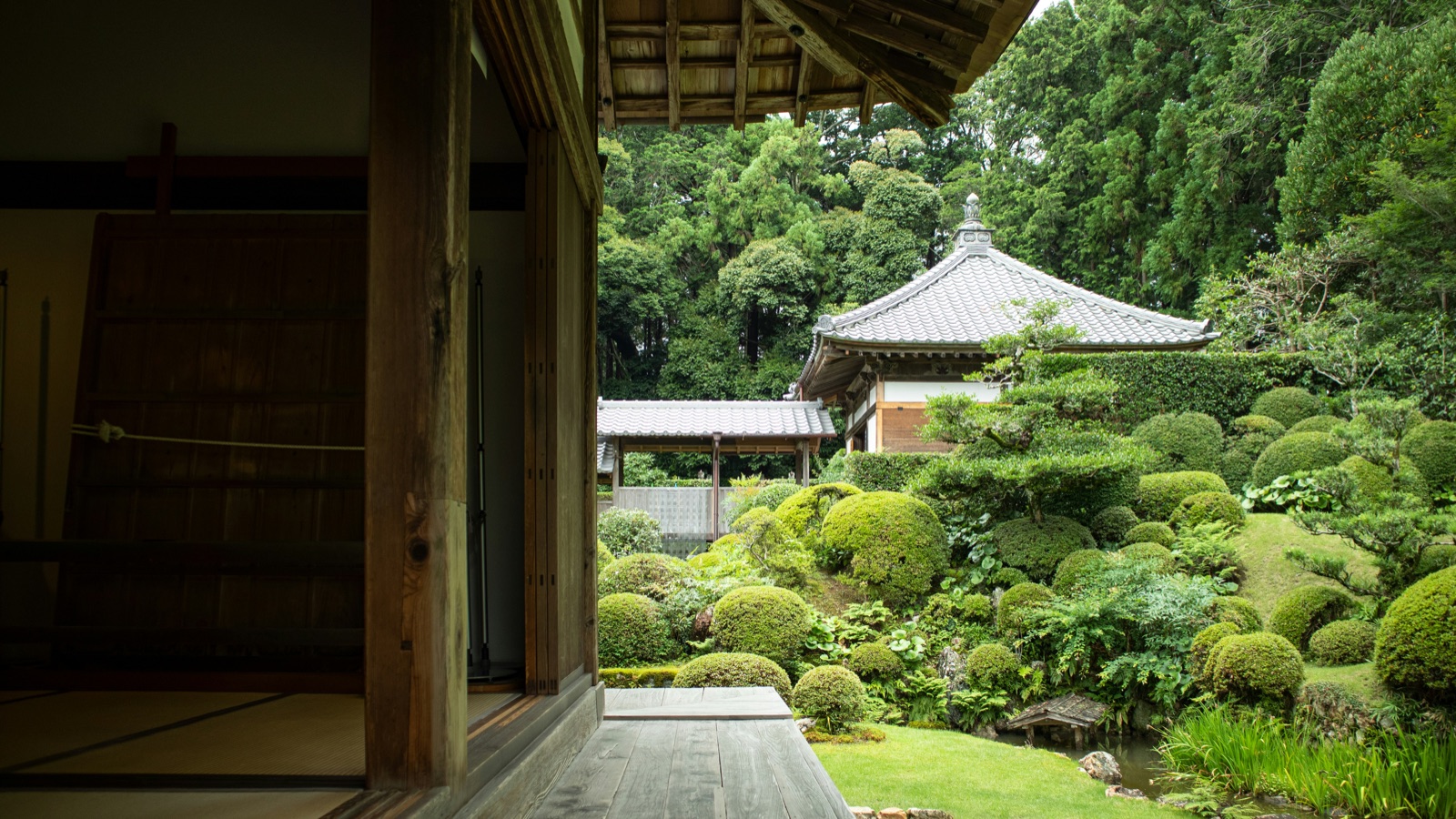
The shoji screen slides open to reveal a tatami room where a lacquered tray holds green tea and a wagashi sweet shaped like a maple leaf. Outside, cedars press close to the eaves and a mountain stream runs cold over smooth stones. Tonight, kaiseki will arrive dish by dish on hand-painted ceramics. This is rural Japan: no bullet train timetables, no crowds pressing through a famous gate. Just cedar smoke, mineral water, and the slow, deliberate beauty of a country that perfected hospitality long before “wellness” was a buzzword.
Japan’s cities are only one face of the country. In the mountain villages of Gifu, the pilgrimage valleys of Wakayama, and the snow country of Niigata, traditional architecture survives and artisans still work in methods passed down for generations. The best ryokan in Japan are found in rural areas: Kinosaki Onsen, Hakone, and the Kiso Valley all have exceptional options. Ryokan Japan prices run from around $80 per person at simple inns with shared baths to $500 or more for elaborate kaiseki and a private rotenburo (outdoor bath). An onsen ryokan stay is often the night travellers remember most, and leaving the Shinkansen corridors rewards you with authentic encounters and landscapes that shift with every season.
Stay in a Traditional Ryokan in Kinosaki Onsen This small hot-spring town in Hyogo Prefecture is one of the best places to experience ryokan culture end to end. Pull on your yukata and wooden geta sandals and stroll between the town’s seven public bathhouses, a ritual known as “sotoyu meguri.” Satono-yu, the largest, overlooks the Maruyama River, while Goshono-yu is modelled on the Kyoto Imperial Palace and has an outdoor bath facing a waterfall. Back at the inn, dinner brings seasonal sashimi, grilled fish, handmade tofu, and clay-pot rice. Expect roughly ¥25,000 per person with two meals at simpler inns, and ¥50,000 or more at the most celebrated ones (winter crab season is priciest).
Explore Shirakawa-go’s Gassho-zukuri Farmhouses In the mountains of Gifu Prefecture, the UNESCO-listed village of Shirakawa-go looks like a woodblock print come to life. Its gassho-zukuri farmhouses, named for steep thatched roofs built to shed heavy snow, include some that have stood for well over two centuries. Walk the village in late afternoon once the tour buses leave, or better yet, spend the night: several farmhouses operate as minshuku (family-run guesthouses) with home-cooked dinner and breakfast, bookable through the Shirakawa-go Tourist Association. On a handful of winter evenings each January and February, the village holds light-ups when the farmhouses glow against deep snow. Entry is strictly by advance reservation (an overnight stay in the village, a parking reservation, or a bus tour), so plan months ahead.
Walk the Kumano Kodo Pilgrimage Trail Winding through the ancient cedar forests of Wakayama Prefecture, the Kumano Kodo is one of only two pilgrimage routes inscribed as UNESCO World Heritage, the other being the Camino de Santiago. You don’t need to walk all of it: the classic two-day stretch of the Nakahechi route from Takijiri-oji to Kumano Hongu Taisha covers roughly 30 to 40 kilometres, depending on where you break the walk. The path climbs through mossy forest past small oji shrines toward Oyunohara, where a giant torii marks the shrine’s original site beside the Kumano River. Overnight in Chikatsuyu village, where family-run minshuku serve hearty mountain meals. The Tanabe City Kumano Tourism Bureau (tb-kumano.jp) publishes maps and can arrange lodging and luggage transfers.
Ski and Soak in Nozawa Onsen This steep, compact village in Nagano Prefecture feels like Japan’s answer to an Alpine hamlet. In winter the skiing is excellent; in any season, the thirteen free public bathhouses (soto-yu), maintained by a villagers’ association and open to all, are reason enough to visit. The largest and most photographed is Oyu, a handsome wooden bathhouse in the centre of town. Don’t miss Ogama, where 90°C spring water bubbles up so hot that locals use it to boil vegetables and eggs; it is for looking, not bathing. Respect bath etiquette: wash thoroughly before entering, no swimwear, and keep your towel out of the water.
Budget: A minshuku in Shirakawa-go or along the Kumano Kodo typically includes dinner and breakfast and costs far less than a full-service ryokan, with an intimacy no hotel can match.
Mid-Range: KAI, Hoshino Resorts’ hot-spring ryokan brand, has more than 20 inns across Japan, from Hakone to Kaga to the Japan Alps, each with private or communal onsen, regional kaiseki, and a local craft or cultural theme.
Luxury: Nishimuraya Honkan in Kinosaki Onsen is a historic ryokan at its finest: garden-view rooms, refined kaiseki, and deeply attentive service, from around ¥50,000 per person with meals. For a modern take, HOSHINOYA properties in Kyoto, Karuizawa, and Fuji offer architect-designed rooms rooted in traditional forms.
Autumn (mid-October through November) brings fiery foliage to mountain ryokan regions; Hakone, Nikko, and the Kumano valleys are especially beautiful. Spring (late March through April) brings cherry blossoms, often later in the mountains than in Tokyo, with smaller crowds. Winter (January and February) is ideal for snow-country stays in Nozawa Onsen and Shirakawa-go. Summer is hot and humid in the lowlands but more comfortable in highland villages.
Tokyo’s Narita and Haneda airports are the main international gateways, and Osaka’s Kansai Airport is closer to Kinosaki and the Kumano Kodo. A 7-day Japan Rail Pass costs ¥50,000 (rising to ¥53,000 for purchases from October 1, 2026) and can pay off on a rural loop, since it covers the Shinkansen and JR limited expresses. Kinosaki Onsen is about 2 hours 45 minutes from Osaka on the Kounotori limited express, or about 2.5 hours from Kyoto. For Shirakawa-go, buses run from Kanazawa and Takayama. For the Kumano Kodo, local buses link the trailheads with JR Kii-Tanabe Station, while a rental car is handy for exploring the wider region.
🎒 Pack for Japan: Travel Packing Cubes · Compact Travel Umbrella · Comfortable Slip-On Shoes · Portable Charger · Neck Travel Pillow
🗺️ Book tours & experiences in Rural Japan: Browse on GetYourGuide → · Browse on Viator → 🍵 Kyoto traditional tea ceremony experience: Book on Klook → 🎋 Arashiyama bamboo grove and temple walking tour: Book on Klook → 🦌 Nara deer park and Todai-ji temple day trip: Book on Klook →
🛡️ Travel insurance for this trip: Get covered with SafetyWing → 🔒 Stay secure while travelling: Get NordVPN →
Rural Japan does not reveal itself to the hurried traveller. Slow down, and it welcomes you into a place where beauty is a daily practice. Book the ryokan. Walk the pilgrim road. The cedar forests are waiting.