The Great Migration is the greatest wildlife spectacle on earth: well over a million wildebeest, plus zebra and gazelle, thundering across the Masai Mara in search of fresh grass.
The Land Rover rocks to a halt and the engine cuts out. Your guide raises a fist: silence. Through the tall ochre grass of the Masai Mara, a cheetah crouches low, amber eyes locked on a Thomson’s gazelle forty metres ahead. Then she bursts forward in a blur of spotted muscle, and the whole savannah seems to hold its breath. This is Kenya: raw, unhurried, and more alive than anywhere you have stood. No documentary comes close.
Kenya is one of the finest safari destinations on earth. The Masai Mara is ground zero for the Great Migration, the largest overland movement of mammals on the planet, but Kenya’s wildlife calendar runs year-round: lions in the grass, elephants beneath Kilimanjaro, leopards draped across acacias at dusk. Add the Great Rift Valley, soda lakes, and Maasai culture. Kenya safari costs vary widely, from a few hundred dollars per person per day on budget camping safaris to well over $1,000 per night at top camps. The best time for a Kenya safari is July through October, when the Great Migration river crossings peak and the dry season concentrates wildlife around water.
Witness the Great Migration in the Masai Mara National Reserve Between July and October, vast herds of wildebeest, with zebra and gazelle in tow, move north from Tanzania’s Serengeti into the Mara in search of fresh grass. The Mara River crossings are the headline act: herds plunging into crocodile-filled water in a chaotic rush that lasts minutes and stays with you forever. Ask your guide to read the herds’ behaviour and position you at an established crossing point. Patience is everything; crossings can happen twice in a day or not at all for days.
Go on a Full-Day or Balloon Game Drive A full-day drive lets you follow predators through the midday hours when most vehicles retreat to camp. For a different dimension, book a sunrise balloon flight: roughly $450 to $550 per person, but drifting silently over the waking plains is unforgettable. Established operators include Governors’ Balloon Safaris and Skyship Balloon Safaris, and flights usually end with a champagne bush breakfast.
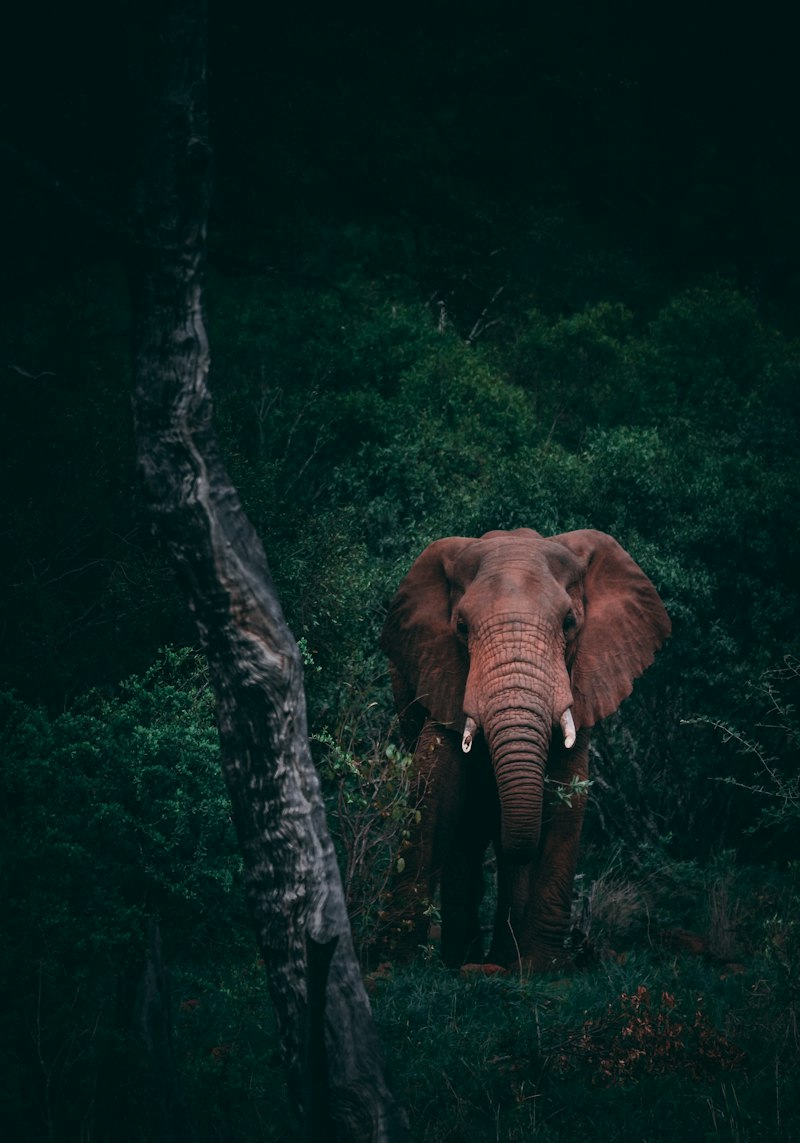
Visit Amboseli National Park Four to five hours’ drive south of Nairobi, Amboseli offers one of Africa’s most photogenic scenes: elephant herds moving through the marshes with Mount Kilimanjaro filling the southern horizon. Amboseli’s elephants are famously relaxed around vehicles, allowing remarkably close encounters. The compact park is well covered in two days. Ol Tukai Lodge, in the heart of the park, is known for its Kilimanjaro views.
Explore Lake Nakuru and Samburu In the Rift Valley, fenced Lake Nakuru National Park is a rhino sanctuary and one of Kenya’s most reliable places to see both black and white rhino from your vehicle. Flamingo numbers fluctuate since the lake’s water level rose, so treat them as a bonus. Further north, Samburu National Reserve is home to the “Samburu Special Five” (Grevy’s zebra, reticulated giraffe, Beisa oryx, gerenuk, and Somali ostrich), with riverine forest and far fewer crowds than the Mara.
Experience a Maasai Village Visit Most Mara camps can arrange a visit to a neighbouring Maasai community. Choose visits run through your camp or a community conservancy, which pass fees directly to residents, over roadside stops. You’ll learn about homebuilding, cattle culture, and the young warriors (moran), whose beadwork and ochre-dyed hair are unforgettable.
Budget: Group camping safaris from Nairobi use tented camps just outside the reserve gates, the most affordable way to see the Mara. Choose operators with recent, detailed reviews and newer vehicles.
Mid-Range: Mara Serena Safari Lodge perches on a hilltop inside the reserve with sweeping views across the plains, and its central location puts migration crossing points within easy reach. Full-board rates run from roughly $250 per person per night in low season to about double that in peak season, with park fees extra. Ashnil Mara Camp, a tented camp inside the reserve near the Mara River, is another well-placed option.
Luxury: Angama Mara, perched on the Oloololo Escarpment above the Mara Triangle, is one of Africa’s most celebrated lodges, with glass-fronted tented suites gazing across the plains toward Tanzania. Fully inclusive rates start around $1,850 per person per night and rise in peak season.
For the Great Migration and river crossings, July through October is peak season; book camps six to twelve months ahead. December to March brings warm, largely dry weather, excellent general game viewing, and lower rates. April and May bring the long rains and muddy tracks, though the landscape turns intensely green. The short rains of November are usually lighter and rarely derail a safari. June and November are shoulder months with good value.
Most international flights land at Jomo Kenyatta International Airport in Nairobi, with nonstops from London, Dubai, Amsterdam, Addis Ababa, and New York. Light aircraft from Nairobi’s Wilson Airport reach Mara airstrips such as Keekorok and Ol Kiombo in about an hour, at roughly $250 to $400 one way. That beats the five-to-six-hour road transfer. In the Mara, game drives are run in 4x4 vehicles by your camp or operator. For Amboseli and Nakuru, self-drive is possible, but a guided safari adds significant wildlife-spotting value.
🎒 Pack for your safari: Binoculars · Telephoto Camera Lens · Safari Clothing Set · Dust-Proof Camera Bag · Insect Repellent
🗺️ Book tours & experiences in Kenya: Browse on GetYourGuide → · Browse on Viator → 🐘 Masai Mara safari game drive: Book on Klook →
🛡️ Travel insurance for this trip: Get covered with SafetyWing → 🔒 Stay secure while travelling: Get NordVPN →
Kenya does not ask you to slow down; it simply makes speed irrelevant. Whether you are watching a leopard descend an acacia at dusk or hearing elephants rumble at an Amboseli waterhole, Kenya makes every other trip feel like a warm-up. Start planning. The migration is not waiting.