Seoul is one of the world's most dynamic cities, where royal palaces sit beside neon-lit street food alleys and cutting-edge contemporary design.
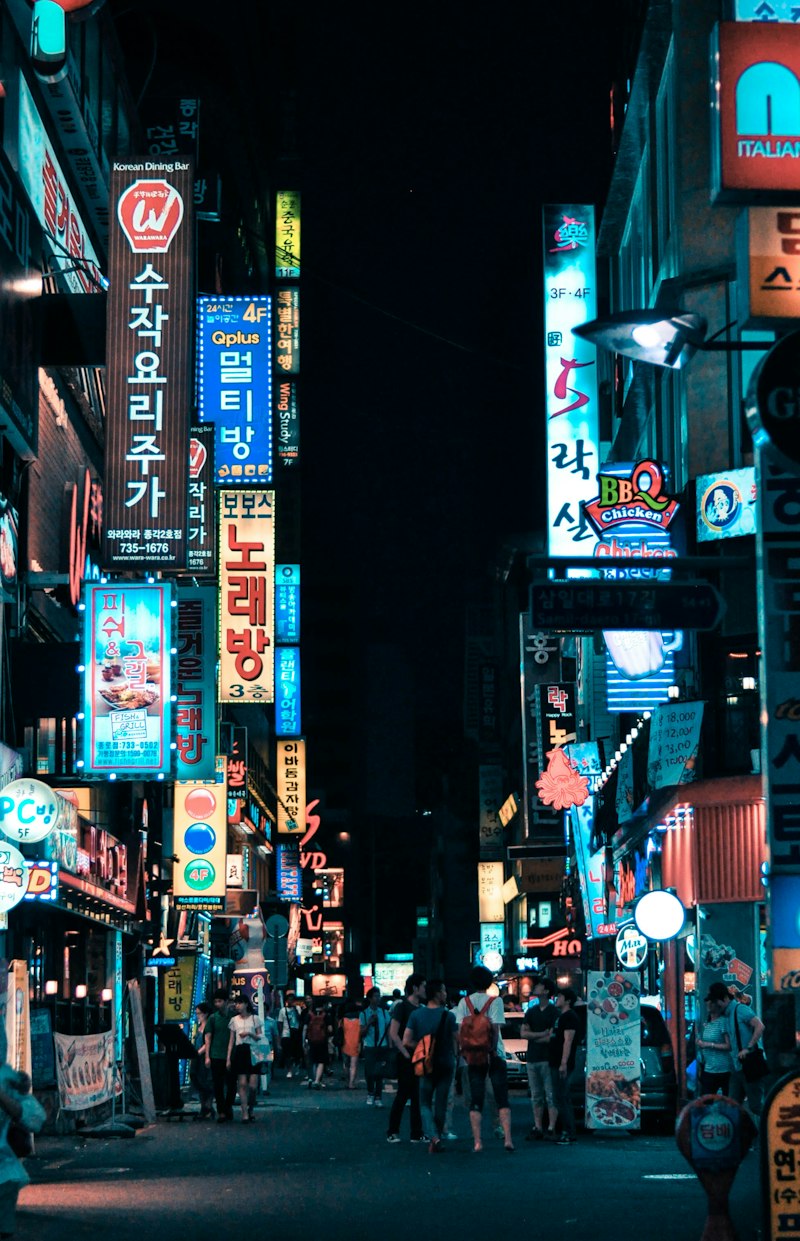
The smell hits you first: pork belly sizzling over charcoal, the vinegary punch of kimchi, hotteok pancakes oozing brown sugar on a street griddle. Seoul’s streets are alive at midnight, neon spilling tangerine light onto crowds who seem to have nowhere to be and everywhere to go. Subway trains glide in on time, and the tap of a T-money card becomes as natural as breathing. Behind a glass tower, a Joseon-dynasty palace sits in perfect stillness, its curved eaves reaching toward a slate-grey sky. South Korea has sprinted from rice paddies to robot cafés within a single lifetime without forgetting where it came from, and that tension between ancient and electric is exactly what makes it so compelling.
South Korea is roughly the size of Indiana, yet it packs in a world-class metropolis, royal palaces dating back more than 600 years, volcanic coastlines, Buddhist mountain temples, and a food culture intricate enough to fill a doctoral thesis. It is also excellent value for independent travelers in East Asia: public transport is fast and cheap, accommodation ranges from stylish guesthouses to five-star towers, and the country is safe, welcoming, and almost absurdly efficient. This Seoul travel guide covers the city’s essential neighbourhoods; a two-week South Korea itinerary should also include Gyeongju, Busan, and Jeju Island. Top things to do in Seoul: Gyeongbokgung Palace, Bukchon Hanok Village, Myeongdong street food, and the Han River at night.
Gyeongbokgung Palace in Hanbok Seoul’s grandest Joseon palace, founded in 1395, opens at 9am (closed Tuesdays). Time your arrival for the Royal Guard changing ceremony at 10am or 2pm, when guards in vivid traditional uniforms parade in front of Gwanghwamun Gate. First, rent a hanbok, the traditional Korean dress, from one of the shops near the palace; expect roughly 15,000 to 35,000 won for a few hours, and wearing one gets you free entry. Wander past Geunjeongjeon Hall and into the rear gardens in your flowing sleeves and you will feel, briefly, like you belong to another century.
Bukchon Hanok Village Between Gyeongbokgung and Changdeokgung palaces, this hillside neighbourhood of traditional hanok houses, in an area once home to Joseon-era officials, looks down over the modern city. Its steep, narrow alleys are a living residential area, so tourist visits to the core “red zone” around Bukchon-ro 11-gil are limited to 10am to 5pm, with fines for visiting outside those hours. Go right at 10am on a weekday, keep your voice low, and it is still genuinely magical.
The Han River Picnic Seoulites take their Han River evenings seriously. Grab fried chicken and a few cans of beer or sweet makgeolli rice wine from a GS25 or CU convenience store, then claim a patch of grass at Yeouido Hangang Park. Rent a Ttareungyi public bike (a one-hour pass costs 1,000 won through the Seoul Bike app) and ride the riverside path as the city lights come on. It is one of the great cheap pleasures of urban Asia.
Hongdae Neighbourhood The area around Hongik University is where Seoul keeps its creative soul. Buskers set up on weekend evenings, indie bands play basement venues, and every other shopfront sells K-beauty or streetwear. Squeeze into a self-portrait photo booth such as Life4Cuts or Harufilm for a strip of photos for a few thousand won, then catch live music at Club FF, a small venue with bands through the evening.
DMZ Half-Day Tour The Demilitarized Zone, about 50 kilometres north of Seoul, is one of the most sobering places you will ever stand. Licensed tours from Seoul typically visit the Third Infiltration Tunnel, Dora Observatory overlooking North Korea, and Dorasan Station, the northernmost station on South Korea’s rail network, built in hope of reunification and still waiting for trains north. Bring your passport, and note that sites can close at short notice for security reasons. It is haunting and essential.
Day Trips: Suwon, Gyeongju & Busan Suwon’s UNESCO-listed Hwaseong Fortress is about an hour from central Seoul by subway, and walking the 5.7-kilometre circuit of walls costs only a small entry fee. Gyeongju, the ancient Silla capital, is about two hours by KTX; spend a morning among the royal burial mounds of Daereungwon (Tumuli Park) and an afternoon at Bulguksa Temple, one of East Asia’s finest Buddhist sites. Busan deserves an overnight stay: wander the clifftop Huinnyeoul Culture Village in Yeongdo, browse the sprawling Gukje Market, and finish at Songdo Beach.
Budget: Zzzip Guesthouse in Hongdae, near Hapjeong Station, offers dorms and private rooms, a shared kitchen, and a sociable lounge.
Mid-Range to Upscale: RYSE, Autograph Collection in Hongdae is genuinely stylish, with art throughout and a rooftop bar; rates often run $250 or more per night.
Luxury: The Shilla Seoul, at the foot of Namsan Mountain, is a benchmark for Korean luxury hospitality, with impeccable service and an outdoor pool; rates vary widely, from around $200 on a good deal to well above $400.
Spring (late March to mid-April) is South Korea at its most photogenic, with cherry blossoms along the Han River and through palace grounds. Autumn (October to early November) brings fiery foliage to mountain temples and crisp, clear days. Avoid July and August if you can: the rainy season and heavy humidity arrive in summer. Winter is cold but festive, with ski resorts within easy reach of Seoul. May and September offer a good balance of weather and prices.
Seoul’s Incheon International Airport (ICN) is consistently rated among the world’s best and connects to major hubs in Europe, North America, and Asia. Budget airlines such as Jeju Air fly domestic routes cheaply. In the city, buy a T-money card at any convenience store or subway machine: it works on subways, buses, and many taxis, and gives transfer discounts. The KTX high-speed network links Seoul to Busan in roughly 2 hours 15 minutes to 2 hours 45 minutes, plus Gyeongju and beyond.
🎒 Pack for South Korea: Portable Charger · Travel Packing Cubes · Comfortable Walking Shoes · Universal Travel Adapter · Sheet Face Masks
🗺️ Book tours & experiences in South Korea: Browse on GetYourGuide → · Browse on Viator → 🏙️ Seoul city highlights tour: Book on Klook → 🍜 Korean cooking class in Seoul: Book on Klook →
🛡️ Travel insurance for this trip: Get covered with SafetyWing → 🔒 Stay secure while travelling: Get NordVPN →
South Korea rewards the traveler who arrives curious and stays open. It will feed you things you didn’t know you needed, move you through cities with balletic efficiency, and then, just when you have found your rhythm, lead you down a stone alley to a centuries-old gate standing quietly in the rain. Book the flight. The rest takes care of itself.