The W Circuit in Torres del Paine is Patagonia's most celebrated trek and entirely doable solo in five days. Here's the route, the bookings, the gear, and what nobody tells you about the wind.
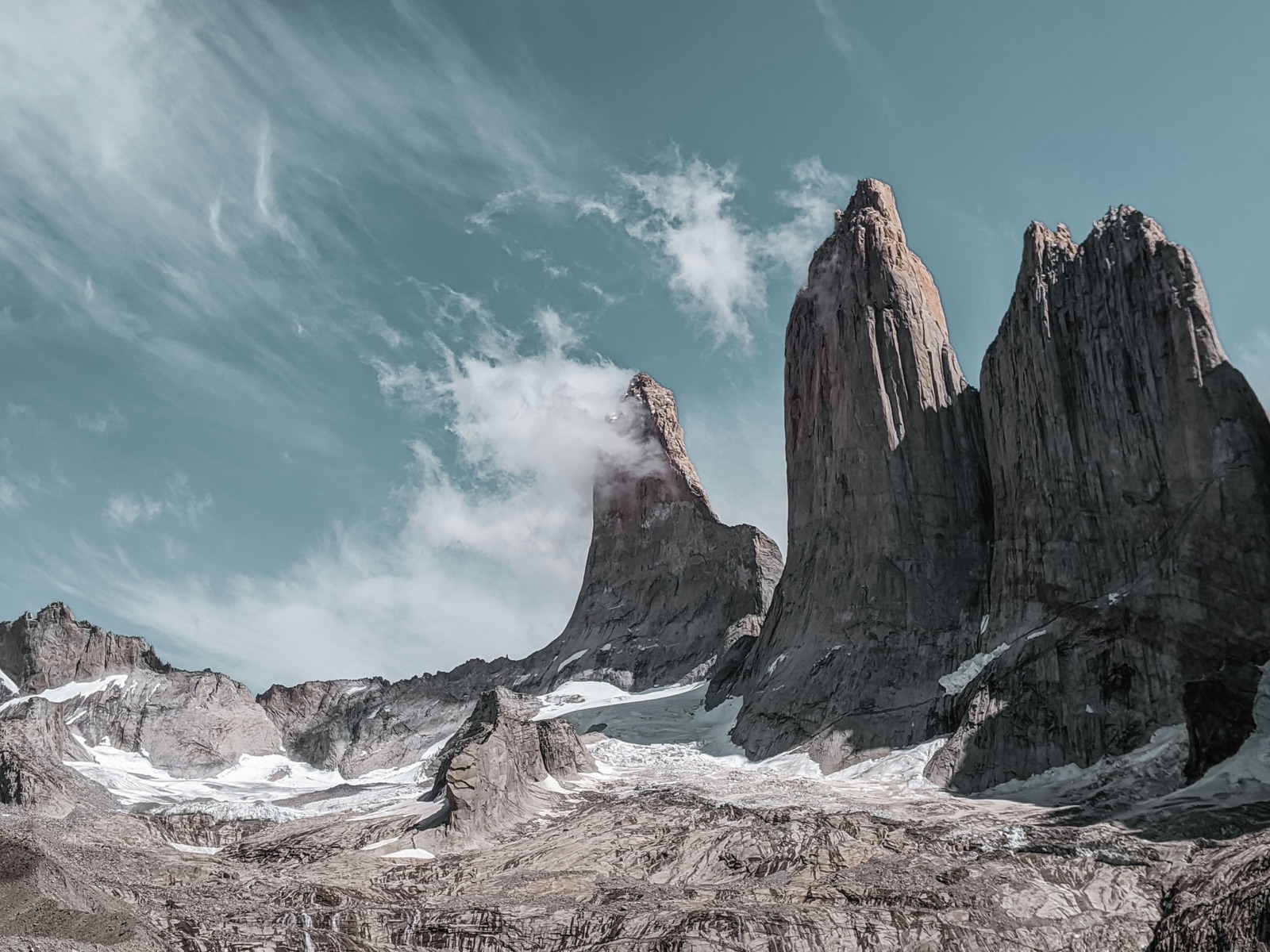
The wind hits you like a wall before you even see the towers. You’re somewhere between the refugio and the ridgeline, trekking poles biting into loose scree, and then, through a gap in the clouds, three granite spires burst into view, blushing pink in the early light. The Paine Massif is doing what it always does: ignoring the humans scrambling below and looking magnificent enough to make your chest ache. This is Torres del Paine, a national park in southern Chilean Patagonia where the weather changes in minutes, the landscapes look like concept art, and solo trekkers come to test themselves against one of Earth’s most dramatic corners.
There are beautiful mountains everywhere. There is only one Patagonia. Torres del Paine packs in an astonishing concentration of geological drama: granite needles, blue glaciers calving into milky lakes, and emerald valleys beneath hanging ice, all linked by a route you can walk in five days. The Torres del Paine W Circuit is the standard route, connecting the three main viewpoints over roughly 80 kilometres. W Trek Patagonia difficulty is rated moderate: long days (10 to 20km), variable weather, and a steep final climb to Mirador Las Torres. Patagonia trekking difficulty is less about technical skill and more about endurance and layering. For independent travellers, it’s a world-class wilderness experience you can plan and complete on your own terms.
The Base of the Towers (Mirador Las Torres) This is the trek’s signature payoff. From the Central sector near the Welcome Center, the trail climbs through the Ascencio Valley and lenga beech forest past Refugio Chileno, then finishes with a brutal boulder moraine scramble to the glacial lake at the towers’ base. The round trip is about 20km with roughly 900m of elevation gain; allow eight or more hours, start early, and carry plenty of water. From late April to mid-September, CONAF requires hikers on the Base Torres trail to go with an authorised guide.
Valle del Francés The French Valley, set between the Paine Horns and Paine Grande, is arguably the wildest stretch of the circuit. You’ll hear ice cracking off the hanging glacier before you see it, and small avalanches rumble down the rock faces. Most trekkers reach it from Paine Grande or from the Francés and Cuernos camps to the east, leaving big packs at camp. Walking up to Mirador Británico and back adds a long but rewarding day; check with rangers, as the upper section may be closed in poor weather.
Grey Glacier The western arm of the W takes you to Lago Grey, fed by Grey Glacier, the park’s largest and an outlet of the Southern Patagonian Ice Field. Its fractured blue front stretches for kilometres across the lake. Walk to the viewpoints beyond Refugio Grey for the best perspective, or join a guided kayaking or ice-hiking trip run from the refugio to get close to icebergs the colour of sea glass.
El Chaltén, Argentina: A Worthy Detour With extra days, cross into Argentina to El Chaltén in Los Glaciares National Park. The village is the trailhead for Laguna de los Tres, where Monte Fitz Roy rises in jagged fins above a glacial lake. Trails start right from town, and the hiking rivals Torres del Paine with a more relaxed feel. Check Argentina’s national parks service for any current entry fees before you go.
Budget: Campsites Camping is the most affordable way to do the W. Nearly all campsites and refugios along the route are run by two private concessionaires, Las Torres Patagonia (Central, Chileno, Francés, Cuernos) and Vertice Patagonia (Paine Grande, Grey, Dickson, Los Perros), and you must have reservations before entering the park. Pitch fees for your own tent typically run from about $30 to $60 per person per night, with rented tents and meal packages costing considerably more. Sites fill months ahead for December to February, so book as soon as bookings open.
Mid-Range: Refugios Dorm beds in the mountain refugios let you skip carrying a tent. Add half or full board and you can trek with a light daypack-style load. Prices are high for dorms, but so is the comfort after a day in the wind.
Luxury: EcoCamp Patagonia EcoCamp’s geodesic domes sit in the Central sector with views toward the massif. It sells multi-day guided W Trek packages that bundle dome stays, refugio nights, meals, guides, and transfers. Expect to pay several thousand dollars per person, and book six months or more ahead for peak season.
December through February is peak Patagonian summer: long days, daytime temperatures often between about 10 and 20°C, and the best odds of stable weather (which in Patagonia still means wind and sudden rain). January is busiest. November and March offer shoulder-season value with fewer trekkers and weather that is only slightly less predictable. In winter (roughly May to September), days are short, many services close, snow covers higher trails, and guides are required on some routes.
Fly from Santiago to Punta Arenas (PUQ) with LATAM, Sky, or JetSMART, about three and a half hours. From Punta Arenas, buses run to Puerto Natales in about three hours. In season, some flights also go direct to Puerto Natales (PNT). Puerto Natales is the logical base, with gear rental shops and supermarkets for trail food. Daily buses run from Natales to the park (around two hours), and the catamaran across Lago Pehoé links Pudeto with Paine Grande. Book your return transport before you start.
🎒 Pack for Patagonia: Windproof Shell Jacket · Trekking Poles · Waterproof Hiking Boots · Fleece Mid-Layer · Dry Bags
🗺️ Book tours & experiences in Patagonia: Browse on GetYourGuide → · Browse on Viator →
🛡️ Travel insurance for this trip: Get covered with SafetyWing → 🔒 Stay secure while travelling: Get NordVPN →
The W Circuit won’t be the easiest week of your life. Your legs will ache, the wind will steal your hat, and at some point you’ll question every decision that led you to this exposed ridgeline. Then you’ll round a corner, the clouds will part, and the towers will rise above you in colours you don’t have names for, and you’ll understand why people fly to the end of the world for this. Book the campsite, pack the layers, and go.