Wild camping in the Scottish Highlands is legal, free, and one of Europe's most rewarding outdoor experiences. Here's how to do it responsibly and where to find the best spots.
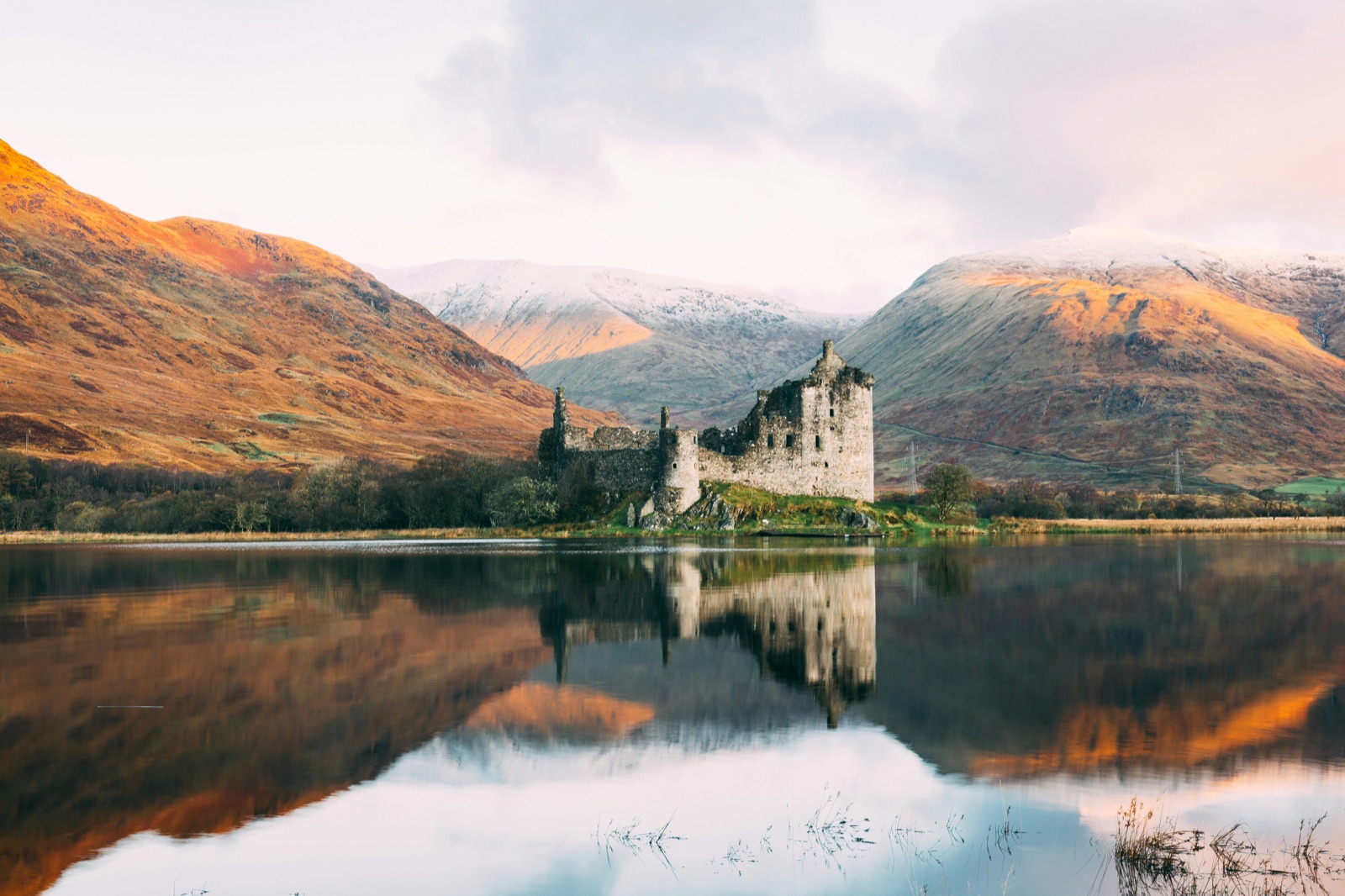
Dawn breaks over Loch Torridon and the world turns shades of copper and rose you didn’t know existed. Your tent is pitched on a mossy shelf above the water, mist curling off the surface like slow breath. No campsite booking, no warden doing rounds: just you, mountains of ancient sandstone, and the distant call of a red-throated diver cutting through the silence. This is wild camping in the Scottish Highlands: raw, unhurried, and achingly beautiful. Once you have slept under a Highland sky, no hotel mattress will ever quite feel like enough.
Scotland is one of the few countries where wild camping is a legal right rather than a loophole. The Land Reform (Scotland) Act 2003 gives everyone access to most land and inland water, including lightweight camping, as long as you act responsibly under the Scottish Outdoor Access Code: leave no trace, keep groups small, and stay no more than two or three nights in one spot. That freedom opens up glaciated glens, ancient Caledonian pinewoods, sea lochs, and skies that seem wider than anywhere else in Europe. A Scottish Highlands road trip along the North Coast 500 is the most popular route, covering 516 miles of mostly quiet roads past sea lochs, castles, and white-sand beaches, and no highlands Scotland itinerary is complete without Glen Coe.
Wild camp in Torridon and Knoydart. Torridon in Wester Ross is arguably Britain’s most dramatic landscape, with sandstone and quartzite peaks rising steeply from near sea level. Pitch near Loch Clair for a classic reflection of Liathach and Beinn Eighe. For something wilder, Knoydart is a peninsula with no roads in: reach it by a seven-mile boat crossing from Mallaig or an 18-mile hike over rough mountain terrain. The village of Inverie has one pub, The Old Forge, often called mainland Britain’s most remote, and the hillsides are yours.
Drive the North Coast 500. Scotland’s answer to Route 66 loops 516 miles around the northern Highlands from Inverness Castle, passing the sea stacks at Duncansby Head, the white sands of Balnakeil, and the brooding peaks of Assynt. Much of the west coast is single-track with passing places, so drive patiently and allow at least a week, ideally two.
Explore the Isle of Skye’s iconic landscapes. The Fairy Pools near Glenbrittle are a chain of clear turquoise plunge pools fed by the Black Cuillin; arrive before 8am to have them to yourself. On the Trotternish peninsula in the north of the island, the Quiraing is a landslip of tilted pinnacles. The circuit from the road pass takes two to three hours and rewards you with views toward the mainland. Stays range from the campsite at Sligachan, beneath the Cuillin, to Kinloch Lodge, a luxurious historic lodge on the shores of Loch na Dal.
Stand in Glencoe. Few places in Scotland carry history as heavily as Glencoe, where members of Clan MacDonald were massacred in 1692. The Three Sisters, massive ridges running down from Bidean nam Bian, are at their best at dusk. Short walks from the visitor centre bring you into the heart of the glen. Wild campers should pitch well away from the road and out of sight.
Watch the Glenfinnan Viaduct and drink whisky on Islay. The 21-arch Glenfinnan Viaduct carried the Hogwarts Express in the Harry Potter films, and the steam-hauled Jacobite still runs in summer. Or take a CalMac ferry to Islay and tour its legendary distilleries. Lagavulin’s classic distillery tour starts from around £22, and Ardbeg’s café serves an excellent lunch alongside its peaty single malt.
Budget: The campsite at Sligachan on Skye sits directly below the Cuillin, a short walk from Seumas’ Bar at the Sligachan Hotel. For wild camping, your only cost is stove fuel.
Mid-range to upscale: The Stables at The Torridon offers simple, cosy rooms 100 metres from the main hotel, with full access to its bars and dining. Doubles start from around £285.
Luxury: Inverlochy Castle near Fort William is one of Scotland’s grandest five-star country house hotels: a turreted Victorian castle built in 1863 with Ben Nevis as a backdrop and fine dining at its Seasgair restaurant.
May and early June are the sweet spot: days stretch past 9pm, the hillsides are vivid with new growth, and the Highland midge (a tiny biting fly that swarms on still, damp evenings) is still manageable. July and August bring warmer weather but heavy midge pressure and busy NC500 roads. September offers golden light and emptier trails; October is dramatic but cold. Avoid January and February unless you are an experienced winter mountaineer.
Inverness Airport connects to London, Dublin, and Amsterdam. Glasgow and Edinburgh airports offer more international flights, with ScotRail trains to Inverness taking around three and a half hours. In the Highlands, a hire car is nearly essential for remote areas. Skye is linked to the mainland by bridge at Kyle of Lochalsh and by CalMac ferry from Mallaig to Armadale; Islay ferries leave from Kennacraig. Book ferries ahead in summer.
🎒 Pack for the Scottish Highlands: Midge Repellent · Waterproof Jacket · Lightweight Camping Tent · Camping Headlamp · Waterproof Hiking Boots
🗺️ Book tours & experiences in Scotland: Browse on GetYourGuide → · Browse on Viator → 🏴 Loch Ness and Highlands day tour: Book on Klook → 🏰 Scottish Highlands day trip from Edinburgh: Book on Klook →
🛡️ Travel insurance for this trip: Get covered with SafetyWing → 🔒 Stay secure while travelling: Get NordVPN →
The Scottish Highlands will not pamper you. The weather turns without warning and the midges find every patch of skin you missed. But on the morning you wake to a loch gone mirror-still, with no sound but wind, water, and a curlew calling above the treeline, you will understand why people return year after year, and why, for independent travellers who want the world on their own terms, Scotland is one of the greatest destinations on earth.