Kyoto is Japan's ancient soul: a thousand years as the imperial capital left it with an unmatched concentration of temples, shrines, and traditional culture. This guide covers things to do in Kyoto, the best ryokan stays, Fushimi Inari, Gion, and how to spend 4 days properly.
Kyoto travel guide essentials: things to do in kyoto, the best kyoto temples, kyoto geisha district gion, fushimi inari, kyoto ryokan stays, and how to spend 4 days in kyoto. Kyoto is Japan’s most beautiful and most historically layered city: more than a thousand years as the imperial capital left behind some 1,600 Buddhist temples, around 400 Shinto shrines, and a concentration of traditional culture (tea ceremony, kaiseki cuisine, ikebana, Noh theatre, and the geisha tradition) found nowhere else in Japan at this density.
Unlike Tokyo and Osaka, Kyoto was largely spared the bombing of World War II, and it was famously struck from the atomic bomb target list. As a result, it retains an intact fabric of wooden machiya townhouses, temple precincts, imperial gardens, and merchant streets occupied for centuries. Walking through Higashiyama or along the Philosopher’s Path, you can feel something most ancient cities have lost: the weight of continuous habitation. Seventeen of its temples, shrines, and castles together form a UNESCO World Heritage Site.
Kyoto is the closest you can come to seeing Japan before the 20th century arrived. The temples are not attractions bolted onto a modern city; they are the city. Geisha culture in Gion is a living professional tradition, not a show for visitors. The ryokan inns, kaiseki dinners, moss gardens, and tea rooms function as real institutions that Kyoto’s own residents use and value, and visitors are welcomed inside that culture rather than kept outside looking in.
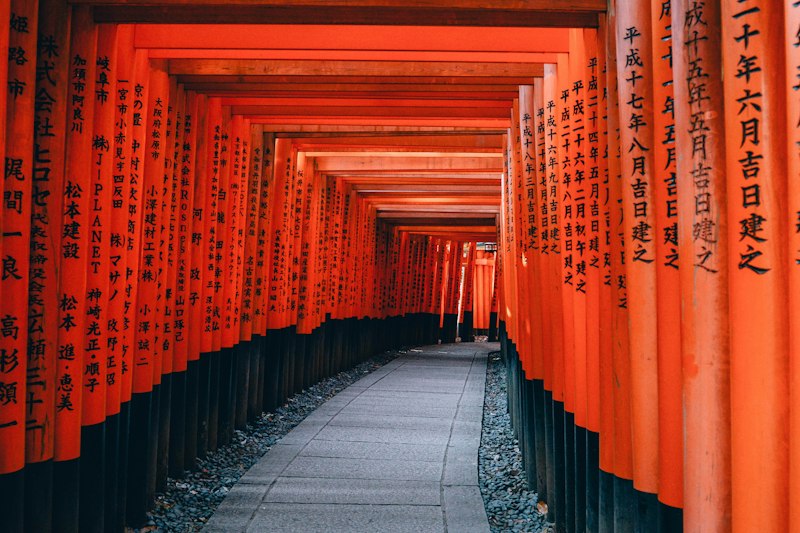
The thousands of vermilion torii gates of Fushimi Inari Taisha climb Mount Inari in southern Kyoto, each donated by a business or individual seeking the blessing of Inari, the Shinto deity of rice and prosperity. The full loop from the main shrine to the summit and back is about 4 kilometres and takes 2 to 3 hours. The lower gates are the most densely packed and photographed; the upper mountain grows quieter as you climb.
Go before 8am. At dawn the lower tunnels of gates are nearly empty, the light through the red lacquer is extraordinary, and the stone foxes (Inari’s messengers) seem to watch you pass. By 10am it is crowded. Entry is free and the shrine never closes.
The Arashiyama district in western Kyoto holds the famous bamboo grove and several of the city’s finest temples. The grove path is short, but the sound of the towering stalks in the wind and the green light filtering through make it worth the journey. Go early: before 8am it is nearly empty, and by mid-morning it is packed.
Right beside the grove, Tenryu-ji (¥500 for the garden) ranks first among Kyoto’s five great Zen temples. Its garden, designed by the monk Muso Soseki, “borrows” the Arashiyama mountains as a backdrop so seamlessly that it feels limitless. It moves even visitors with no particular interest in gardens.
From Arashiyama, walk north through the quiet Sagano area to Jojakko-ji on the hillside, a hidden gem of moss, maples, and stone that most visitors miss.
Higashiyama is Kyoto’s best-preserved historic neighbourhood: the stone-paved lanes of Ninenzaka and Sannenzaka climb between old machiya housing craft shops, tea houses, and small restaurants toward Kiyomizu-dera on the hillside above.
Kiyomizu-dera: Founded in 778, with the current main hall dating from 1633, this temple is famous for its wooden stage jutting 13 metres above the slope on a lattice of pillars joined without nails. The saying “to jump off the stage at Kiyomizu” means to take the plunge. Entry costs ¥500. Come at 6am opening for dawn light over the city, or during the evening illuminations in spring, mid-August, and late autumn.
The Philosopher’s Path (Tetsugaku-no-Michi): A 2-kilometre canal-side path lined with cherry trees, named for the philosopher Nishida Kitaro, who walked it daily. It links the Nanzen-ji area in the south with Ginkaku-ji in the north. Walk it during the cherry blossom (late March to early April) or when the maples turn in late November.
Ginkaku-ji (Silver Pavilion): Despite its name, the pavilion was never covered in silver; the nickname likely arose later to contrast it with the Golden Pavilion. Its weathered wood is beautiful as it is, and the raked sand garden beside it, with a flat-topped sand cone, is one of the stranger and more compelling sights in Japan. Entry costs ¥1,000.
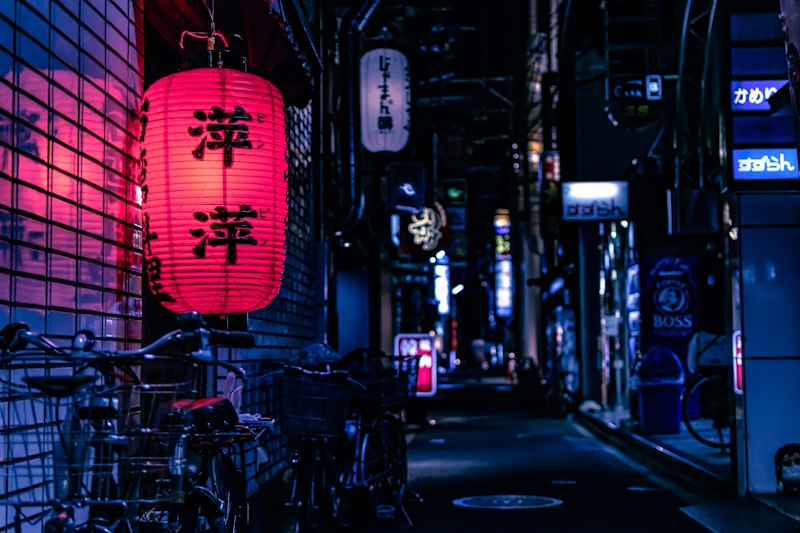
Gion is Kyoto’s most famous and most photographed neighbourhood. The wooden ochaya (teahouses) of Hanamikoji Street, where geiko (Kyoto’s term for geisha) and maiko (apprentices) entertain guests, look much as they have for generations.
Walk Hanamikoji in the early evening, when geiko and maiko may be moving between appointments. The main street stays open to visitors, but Gion’s private side lanes are off-limits, and signs warn of a ¥10,000 fine for entering them or photographing geiko and maiko without permission. Watch quietly, give way on narrow streets, and never chase or block anyone.
Shirakawa-minami-dori in the Shimbashi area, just north, is quieter and equally lovely: a willow-lined canal, wooden teahouses, and stone lanterns. This is the Kyoto of woodblock prints, and it is real.
Gion Matsuri: Kyoto’s most famous festival runs throughout July, peaking with the Yamaboko Junko float processions on July 17 and July 24. The largest floats stand about 25 metres tall and weigh around 12 tonnes, hauled through central streets by teams in traditional dress. Hotels book out months ahead.
The “Kitchen of Kyoto” is a covered market street roughly 390 metres long, lined with more than 100 shops selling tsukemono (pickles), fresh tofu, grilled seafood skewers, dashi, sweets, and ingredients specific to Kyoto cuisine. Arrive hungry, and eat at or beside each stall rather than while walking, which the market asks visitors to avoid. Pickles travel well and make excellent souvenirs.
Ryoan-ji: Japan’s most famous dry rock garden: fifteen stones set in raked white gravel, viewed from the veranda of the Hojo hall. It likely dates from the late 15th century, and who designed it and what it means remain unknown. Sit on the veranda and simply look. Entry costs ¥600.
Kinkaku-ji (Golden Pavilion): Upper storeys covered in gold leaf, reflected in a mirror pond. Built in 1397 as a retirement villa for the shogun Ashikaga Yoshimitsu and converted to a Zen temple after his death, it was burned by a young monk in 1950 (the basis of Mishima Yukio’s novel “The Temple of the Golden Pavilion”) and rebuilt in 1955. Entry costs ¥500. Arrive at 9am opening for manageable crowds.
Kyoto Imperial Palace: Free to visit with no reservation needed (closed Mondays). You walk the grounds and view the ceremonial halls and gardens from outside, and free English guided tours run daily. Expect a quick bag check at the gate.
Nijo Castle: Built in 1603 for the Tokugawa shogunate, famous for its “nightingale floors,” which squeak underfoot to warn of intruders. The painted sliding screens of the Ninomaru Palace are masterpieces of the Kano school. Entry including the Ninomaru Palace costs ¥1,300.
Nara is well worth a full day. More than 1,000 sika deer (a record of about 1,465 in 2025) roam freely through Nara Park, where they are protected as a natural monument and have little fear of people. Deer crackers (shika senbei) cost ¥200. Todai-ji houses Japan’s largest bronze Buddha, dedicated in 752 and about 15 metres tall, inside what was long the world’s largest wooden building. Continue into the forested hills to the lantern-lined paths of Kasuga Taisha, one of Japan’s most revered Shinto shrines.
Kyoto cuisine (kyo-ryori) is the most refined regional cooking in Japan, rooted in Buddhist temple food (shojin ryori) and in kaiseki, the multi-course meal that grew out of the tea ceremony. Seasonality, restraint, and presentation are everything.
Kaiseki: Kyoto is kaiseki’s spiritual home. A full dinner of many small seasonal courses at an established ryotei typically costs $100 to $250 or more per person. Lunch sets at the same restaurants cost far less and are the best-value introduction.
Tofu cuisine: Kyoto tofu (kyo-dofu) is prized throughout Japan. Tousuiro, on Kiyamachi near the Kamo River, serves tofu in many forms across a full meal. In Arashiyama, Yudofu Sagano serves yudofu (tofu simmered at the table in kombu broth) in a garden setting.
Matcha sweets: Kyoto’s Uji district, just south of the city, grows some of Japan’s finest green tea. Tsujiri and Nakamura Tokichi are historic tea merchants serving matcha parfaits, soft serve, and cakes. The gentle bitterness of real matcha is something packaged flavouring can’t approximate.
Obanzai: Kyoto home cooking: small dishes of simmered vegetables, pickles, tofu, and fish served with rice and miso soup. Look for it at unpretentious restaurants around central Kyoto, often at very reasonable prices.
Ramen: Kyoto has a strong ramen scene, with many shops serving rich chicken-based broths and dark soy tare. Menya Inoichi and Gogyo, known for its “kogashi” burnt miso and burnt soy ramen, are among the most talked-about addresses.
A ryokan is the essential Kyoto experience, worth at least one or two nights. Expect a tatami room with futon bedding laid out by staff, a yukata to wear around the inn, a multi-course kaiseki dinner, a Japanese breakfast, and often a traditional bath. Most ryokan price per person with meals included, so check whether a quote is per guest or per room.
Hiiragiya (central Kyoto, founded in 1818): One of the city’s most storied ryokan, beloved for its craftsmanship and service. Among Kyoto’s pricier stays.
Yoshida-Sanso (near Ginkaku-ji): Built in 1932 as the residence of Prince Higashi-Fushimi, with a beautiful garden and refined kaiseki. Rates for rooms with dinner often exceed ¥100,000 per person.
Tawaraya: Founded in the early 1700s and often called Japan’s most celebrated ryokan, with a guest list of celebrities and dignitaries. Small, discreet, and notoriously hard to book; a top-tier splurge.
A more accessible option: Gion Hatanaka, in the heart of Gion, offers the full ryokan experience (kaiseki dinner, tatami rooms, Japanese baths) at lower rates than the grand historic inns.
Kyoto rates swing sharply with the seasons, so check current prices before booking.
Budget: The Millennials Kyoto: a stylish, tech-forward capsule hotel near Kawaramachi and Sanjo, with smart pods and a social lounge. Often among the best-value central beds in the city.
Mid-range: Hotel Kanra Kyoto: a boutique hotel by Gojo Station on the Karasuma subway line, blending modern design with Japanese touches, plus a well-regarded restaurant.
Ace Hotel Kyoto: in the Shin-Puh-Kan complex, built around a 1920s former telephone office, with a Stumptown Coffee café and excellent design throughout. Usually upper mid-range.
Splurge: Aman Kyoto: set in a hidden forest garden at the foot of the Takagamine hills in northern Kyoto, near Kinkaku-ji. Rates typically start around $2,000 a night.
The Ritz-Carlton, Kyoto: on the Kamo River with views toward the Higashiyama mountains. Expect well over $1,000 a night.
Late March to early April (cherry blossom): The sakura usually peaks around the same time as Tokyo’s, sometimes a few days later. Maruyama Park, the Philosopher’s Path, and Kiyomizu-dera are classic viewing spots. Book accommodation many months ahead.
November to early December (autumn foliage): Kyoto’s temples in autumn colour are among the world’s great seasonal spectacles. Eikan-do, Tofuku-ji, and Arashiyama are peak locations, with colour usually best in the second half of November.
May: After the blossom crowds and before June’s rainy season. Pleasant temperatures and good availability outside Golden Week.
July and August: Hot and humid. The Gion Matsuri (July) is the major draw; book months ahead for festival dates.
December to February: Cold but beautiful and far less crowded. Snow on Kinkaku-ji’s golden roof is an unforgettable sight if you’re lucky.
From Tokyo: the Tokaido Shinkansen runs from Tokyo Station to Kyoto in about 2 hours 15 minutes on the Nozomi (about ¥14,170 with a reserved seat). The JR Pass covers Hikari trains, and Nozomi trains with an added supplement. Departures are frequent throughout the day.
From Osaka: the Shinkansen from Shin-Osaka takes about 15 minutes, while JR Special Rapid trains from Osaka Station take around 30 minutes for a few hundred yen. Kyoto and Osaka combine easily.
From Kansai International Airport: the Haruka limited express reaches Kyoto Station in about 75 minutes (roughly ¥3,000 to ¥3,600 depending on seat type).
Within Kyoto: buses reach most temple districts but get very crowded, so use the subway where you can. The old bus-only day pass has been discontinued; the Subway & Bus One-Day Pass (¥1,100) covers unlimited city bus and subway rides. Taxis are metered and reliable, handy for groups on short hops. Rental bikes are great for the flat central areas, while the hillside neighbourhoods are best on foot.
🎒 Pack for Kyoto: Lightweight Slip-On Travel Shoes · Compact Travel Daypack · Travel Scarf Lightweight · Portable Umbrella · Reusable Tote Bag Foldable
🗺️ Book Kyoto tours and experiences: Kyoto Gion geisha district and Fushimi Inari tour on GetYourGuide Kyoto temples and tea ceremony on Viator Kyoto experiences on Klook
🛡️ Travel insurance for Japan: Get covered with SafetyWing → 🔒 Stay secure on public Wi-Fi: Get NordVPN →
Kyoto stays with people in a particular way. Not the famous photographs, which you expected, but the smaller things: the sound of a garden at 7am, the smooth wood of a torii at Fushimi Inari under your hand, the light through shoji screens just before breakfast arrives. Kyoto is where Japan becomes most fully itself. Go slowly. Stay in a ryokan at least one night. Eat kaiseki at least once. Walk the Philosopher’s Path at dawn, and let the city show you what a thousand years of careful attention to beauty looks like.