Mexico City is one of the world's great capitals: Aztec ruins, Diego Rivera murals, a world-class food scene, and neighbourhoods so beautiful you'll extend your trip. Here's how to do CDMX in 4 days.
Mercado de la Merced opens before dawn. By 6am the stalls are in full swing: mountains of dried chiles in shades from pale yellow to near-black, towers of avocados, baskets of copal incense, bread fresh from the oven, and cooks ladling pozole into bowls for market workers who eat here before the city wakes up. A bowl costs a few dollars and ranks among the best things you will eat in Mexico City, which is saying something.
This mexico city travel guide covers things to do in mexico city, the best cdmx food, mexico city neighbourhoods, and how to spend 4 days in cdmx. Mexico City, or CDMX, is a metropolis of more than 20 million people built on the ruins of Tenochtitlan, the Aztec capital that once rose from a lake that no longer exists. The city still sinks several centimetres a year into the old lakebed. It has survived earthquakes and upheaval and endures, vibrant and irreplaceable, pairing street food and high culture in a way that sends travellers home recalibrated.
Mexico City regularly tops lists of the world’s best food cities, with a culinary tradition rooted in thousands of years of corn, chile, and cacao, and street food so dense you can eat brilliantly for $10 a day. The food is only the beginning. The Museo Nacional de Antropología is one of the finest museums on earth, and Diego Rivera’s murals at the Palacio Nacional are masterpieces of 20th-century art. Condesa, Roma, Coyoacán, and Polanco are each distinct, walkable, and beautiful. And at 2,240 metres in a valley ringed by volcanoes, the city has a clarity of light that painters and photographers love.
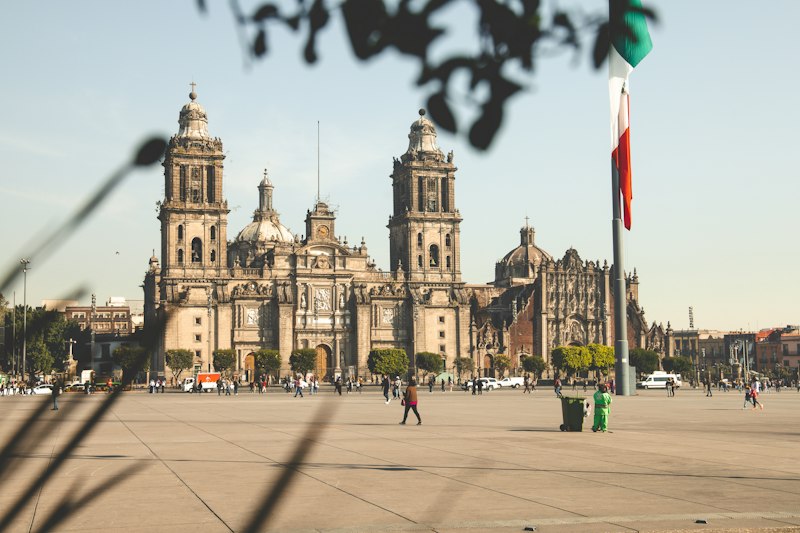
Start in the Centro. The Zócalo (officially Plaza de la Constitución) is one of the largest public squares in the world, framed by the Metropolitan Cathedral and the Palacio Nacional. Inside the palace, Rivera’s Epic of the Mexican People (painted 1929 to 1935) fills the main staircase and upper corridors, tracing Mexican history from the pre-Hispanic world to the Revolution. Entry is free but requires photo ID, and access is sometimes restricted for official events, so check before you go.
Beside the cathedral, the Templo Mayor is the excavated core of Tenochtitlan’s main temple, which the Spanish razed after conquering the city in 1521, reusing its stones for the colonial city above. The site museum displays the extraordinary sculpture recovered here. Closed Mondays.
Walk west along pedestrianised Madero Street to the Torre Latinoamericana, whose 44th-floor observation deck offers a full city panorama. On clear days, look southeast for the volcano Popocatépetl.
Bosque de Chapultepec is the city’s great park, a vast expanse of woodland, lakes, and historic buildings on the west side of town. Inside it, the Museo Nacional de Antropología is the mandatory stop. It houses the Aztec Sun Stone, the jade funerary mask of the Maya king Pakal, colossal Olmec heads, and collections from every pre-Columbian civilisation in Mexico. Budget at least half a day. Admission is 210 pesos for foreign visitors (105 for Mexican nationals and residents). Open Tuesday to Sunday, 9am to 6pm.
Chapultepec Castle, on the hill above the park, was built in the late 18th century, served as the residence of Emperor Maximilian, and later housed Mexican presidents. The views from the terraces are excellent, and the interior includes murals by Siqueiros. Closed Mondays.
The Frida Kahlo Museum in Coyoacán is essential. Buy timed tickets in advance at boletos.museofridakahlo.org.mx, since popular slots sell out, especially on weekends. Opening hours are 10am to 6pm (11am on Wednesdays), closed Mondays, with evening “Noche Azul” openings on Thursdays. The house where Kahlo was born, lived, and died holds her studio and easel, her Tehuana dresses, and her ashes in an urn in her bedroom. Coyoacán itself is lovely: cobblestone streets, colonial architecture, and a lively weekend scene around its central plazas.
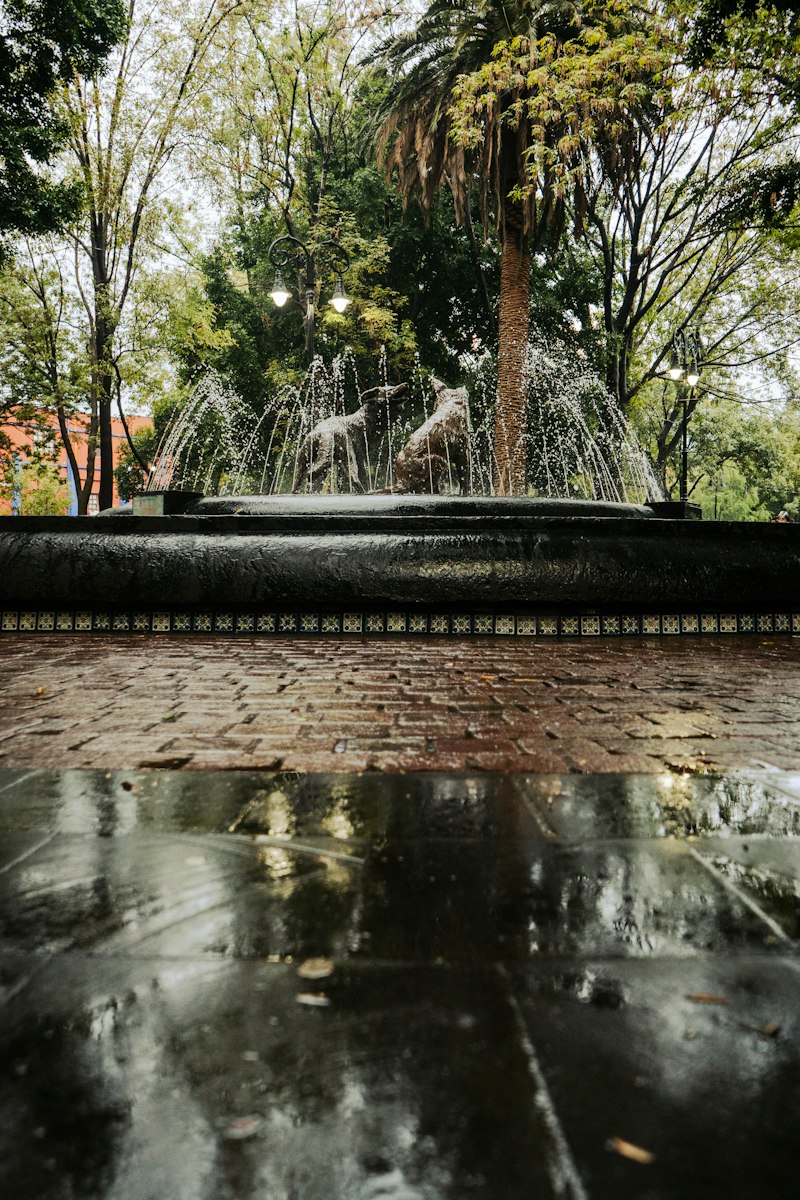
Walk Condesa and Roma on a Sunday morning, when the streets are at their quietest. Condesa is built around two leafy parks, Parque México and Parque España, and its streets are lined with Art Deco apartment buildings that now house some of the city’s best coffee shops, restaurants, and boutiques. Roma Norte feels a little grittier and more eclectic, with independent bookshops, galleries, and neighbourhood restaurants (Mexican, Lebanese, Japanese, Peruvian) that show why CDMX is considered one of the world’s great food cities.
The white marble Palacio de Bellas Artes, completed in 1934 after three decades of construction, pairs an Art Nouveau exterior with an Art Deco interior. Its upper floors hold murals by Rivera, Orozco, Siqueiros, and Tamayo, among the best examples of Mexican muralism outside the Palacio Nacional, while the lower galleries host major temporary exhibitions. Closed Mondays.
Xochimilco, in the south of the city, preserves the last remnants of the lake and canal system that surrounded Tenochtitlan. Brightly painted trajinera boats glide past chinampas, the man-made agricultural islands (often called “floating gardens”) farmed here since pre-Hispanic times. On weekends the canals fill with families celebrating aboard their own trajineras, while mariachi boats pull alongside to serenade them. It is loud, joyful, and unlike anything else. Boats are rented by the hour at set rates posted at the embarcaderos, such as Nuevo Nativitas; confirm the price and time before you board.
Tacos al pastor: Pork marinated in achiote and dried chiles, shaved from a vertical spit, is the definitive Mexico City taco. El Huequito has been serving them in the Centro since 1959, and a taco costs just a few dollars.
Tacos de canasta: “Basket tacos,” soft and steamed, sold from bicycle baskets on morning street corners. Bean, potato, and chicharrón are the classics, and they cost only a few pesos each.
Tlayudas: A plate-sized crisp corn tortilla layered with black beans, asiento (pork lard), Oaxacan string cheese, and your choice of meat. Technically from Oaxaca but found across the city.
Pozole: A pre-Hispanic hominy soup with pork, topped with shredded cabbage, radishes, oregano, and chile. Casa de Toño, with branches around the city, is a reliable, affordable favourite.
Churros and chocolate: El Moro on Eje Central Lázaro Cárdenas has been frying churros since 1935. Order them with a cup of Mexican, Spanish, or French-style hot chocolate.
Fine dining: Quintonil (ranked No. 3 on the World’s 50 Best Restaurants list in 2025) and Pujol, famous for its “mole madre” aged for years and refreshed daily, are the prestige addresses. Both require reservations well ahead, and tasting menus run to $200 or more per person before drinks. Worth the splurge if fine dining is your thing.
Budget ($50 to $100/night): Hotel Stanza, Roma: A simple, good-value hotel within walking distance of Roma’s best restaurants.
Casa Decu, Condesa: A boutique hotel in a protected historic building with a rooftop lounge. Note there’s no elevator or air conditioning.
Mid-range ($150 to $250/night): Hotel Carlota, Cuauhtémoc: A design hotel popular with creative travellers, built around a courtyard pool.
Condesa DF: An Art Deco building turned boutique hotel facing Parque España, with a popular rooftop bar.
Splurge ($350+/night): Las Alcobas, Polanco: A 35-room luxury hotel on Polanco’s smartest street, home to the farm-to-table restaurant Anatol.
St. Regis Mexico City: Occupies Torre Libertad on Paseo de la Reforma, with a spa and sweeping city views from the upper floors.
March to May is the sweet spot: dry and warm, with jacaranda trees blooming purple across Condesa and Roma, especially in March.
October to December is also excellent: the rains have ended and Day of the Dead (Día de Muertos, November 1 to 2) is one of the world’s most extraordinary cultural events.
June to September brings afternoon downpours, usually heavy but brief. The city stays green and temperatures are mild. Not ideal, but very workable.
Altitude note: At 2,240 metres, most visitors adjust within a day or two. Take it easy at first, drink water, and go light on alcohol. Altitude sickness usually shows up as headache and fatigue.
Most international flights use Benito Juárez International Airport (MEX, also called AICM), about 5 kilometres east of the Centro. Some domestic and low-cost flights use the newer Felipe Ángeles International Airport (NLU, or AIFA), roughly 35 to 45 kilometres north, which means a much longer transfer, so check which airport your ticket shows. From MEX, the Metro’s Terminal Aérea station (Line 5) is near Terminal 1 and is extremely cheap but crowded and awkward with luggage. Authorised taxis sell prepaid fares by zone from booths inside the terminals, and ride-hailing apps also operate.
Within the city, the Metro costs 5 pesos per ride using a rechargeable Integrated Mobility Card, sold at station ticket windows and machines. It reaches most major sights and is often faster than traffic. Uber and DiDi are reliable and inexpensive, and walking is excellent in Condesa, Roma, Coyoacán, and the Centro.
🎒 Pack for Mexico City: Altitude Sickness Supplement · Comfortable Walking Shoes · Anti-Theft Crossbody Bag · Lightweight Layer Jacket · Reusable Water Bottle
🗺️ Book Mexico City tours and experiences: Mexico City street food tour on GetYourGuide Teotihuacan pyramids day trip on GetYourGuide Xochimilco and Coyoacan tours on Viator CDMX experiences on Klook
🛡️ Travel insurance for Mexico: Get covered with SafetyWing → 🔒 Stay secure on public Wi-Fi: Get NordVPN →
Mexico City does something unusual for a metropolis of its size: it makes you feel like a local within three days. The neighbourhoods are human-scaled, the street life is constant and welcoming, and the food rewards curiosity. Everywhere you look, in the murals, the archaeology, the markets, and the Day of the Dead altars of autumn, is a culture of extraordinary depth that shows no sign of slowing down.