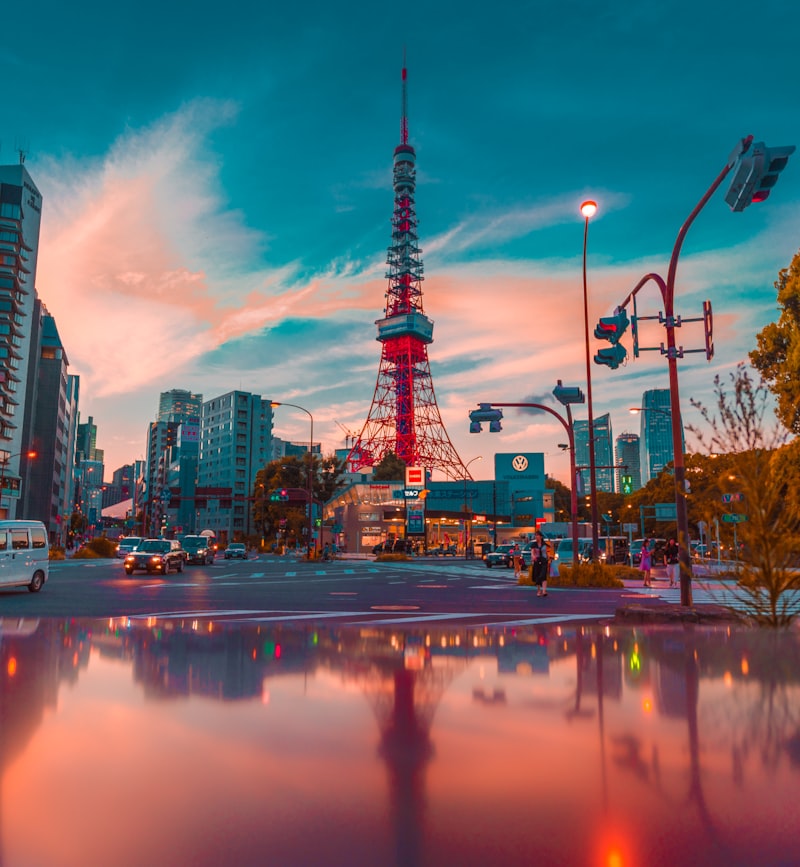
Tokyo and Kyoto are opposites that complete each other: one is among the most electric cities on earth, the other is Japan's ancient soul. This guide covers 2 weeks in Japan, from neon-lit Shibuya to moss-covered temple gardens, ramen to kaiseki.
The bullet train leaves Tokyo on the minute. Not approximately, not around the half hour: on the minute. About 2 hours and 15 minutes later it glides into Kyoto, having covered more than 500 kilometres at up to 285 km/h with barely a tremor. The bento you bought on the platform is impeccably packaged. Your reserved window seat is waiting. The train will not be late. In Japan, almost nothing is.
That precision is extraordinarily liberating. You can navigate a country of about 123 million people without speaking the language, on public transport that makes most other infrastructure feel clumsy, sleeping anywhere from capsule hotels to centuries-old ryokan and eating superbly at every price point. This japan 2 week itinerary covers tokyo travel guide essentials, the full kyoto travel guide, and everything you need to plan a tokyo to kyoto trip. Two weeks in japan is exactly enough time to move between its two greatest cities and understand why people keep coming back. The japan rail pass, the best japan food, and the top things to do in tokyo and kyoto are all covered below.
Japan works on many levels at once. The visual culture alone (the architecture, the design, the care with which everything from a shop window to a bowl of ramen is presented) is unlike anywhere else. The food is world-class: Tokyo has more Michelin-starred restaurants than any other city, street snacks would anchor a restaurant elsewhere, and even convenience store sushi is good. The history runs deep and is visible everywhere. And the contrast between Tokyo and Kyoto, one of the most forward-facing cities on earth and one of its most graceful ancient ones, captures something essential about Japan: the coexistence of old and new.
Give Tokyo five days. You won’t run out of things to do.
Tokyo is the world’s largest metropolitan area (around 37 million people) and one of its easiest to navigate. The trains are comprehensive, affordable, and punctual, neighbourhoods are distinct and walkable, and the city is remarkably safe at any hour.
Shibuya and Harajuku (Days 1 and 2)
Start at Shibuya Crossing, because you have to: when the lights change, as many as 3,000 people surge across from every direction without anyone appearing to coordinate it. The Shibuya Sky observation deck atop Shibuya Scramble Square gives the best view from above (about ¥2,700 online for daytime slots, ¥3,400 after 3pm).
Head to Omotesando, Tokyo’s most architecturally striking shopping boulevard (with buildings by Tadao Ando, Herzog & de Meuron, and SANAA), then on to Harajuku, where Meiji Shrine sits within 70 hectares of forest. Built in 1920 to enshrine Emperor Meiji and Empress Shoken, the shrine is surrounded by trees donated from across Japan that now feel ancient. Entry is free, from sunrise to sunset.
Shinjuku (Day 2 evening)
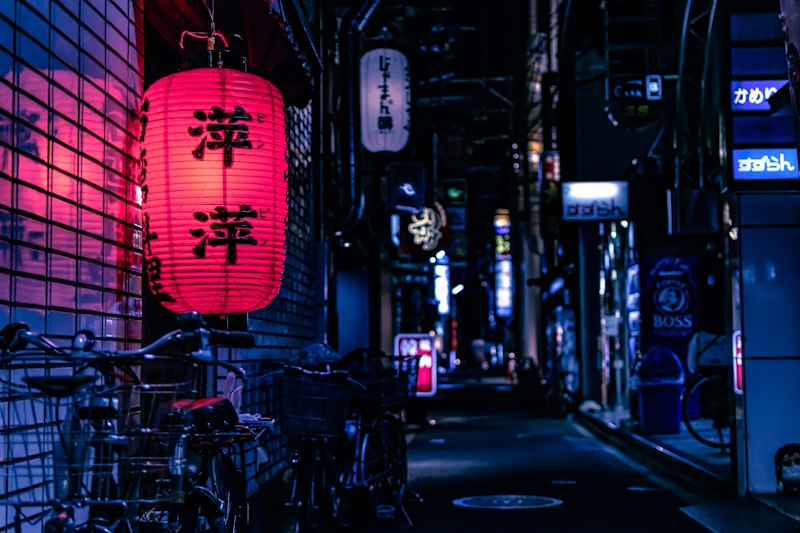
Shinjuku is a business district by day and one of the world’s densest nightlife districts after dark. Omoide Yokocho (Memory Lane), an alley so narrow that yakitori smoke fills the passage, is lined with tiny counters grilling skewers over charcoal. Nearby Kabukicho is Tokyo’s neon-saturated entertainment district. End with a drink in Golden Gai, where around 200 tiny bars, most seating fewer than ten people, each have their own personality.
Asakusa and Akihabara (Day 3)
Asakusa is Tokyo’s most traditional neighbourhood. Senso-ji, the city’s oldest temple, with origins dating to 628 AD, anchors a district of craft shops, rickshaws, and the Nakamise shopping street leading from the iconic Thunder Gate. Arrive at dawn; the temple grounds are always open and the early light through the incense smoke is magical.
Spend the afternoon in Akihabara, the electronics and gaming district at the heart of Japanese tech and anime culture. Multi-storey shops sell everything from retro game cartridges to high-end audio gear, and the maid cafes are the visible surface of a subculture that runs very deep.
Day 4: teamLab Planets or teamLab Borderless
Tokyo’s teamLab digital art museums are unlike anything else. teamLab Planets in Toyosu immerses you in rooms of floating flowers, infinite reflected light, and knee-deep water you wade through barefoot. Book timed tickets in advance; adult prices vary by date, from roughly ¥3,600 to ¥4,200 or more. teamLab Borderless reopened at Azabudai Hills in 2024 with an updated collection.
Day 5: Day trip to Nikko or Kamakura
Nikko is about 2 hours north of Tokyo by limited express and home to Toshogu Shrine, Japan’s most ornate shrine complex, founded in 1617 to enshrine Tokugawa Ieyasu, the first Tokugawa shogun. Nearly every surface is carved, lacquered, and gilded; look for the sleeping cat and the three wise monkeys.
Alternatively, Kamakura is about an hour south, with the Great Buddha of Kotoku-in (an 11-metre bronze cast in the 13th century and sitting in the open air since the late 1400s) and forested temple trails in the hills near the coast.
With three extra days between Tokyo and Kyoto, head for the Japan Alps and the historic town of Takayama in Gifu Prefecture. Take the Shinkansen to Nagoya (about 1 hour 40 minutes), then the Hida limited express through mountain valleys to Takayama (about 2.5 hours) for some of Japan’s most dramatic rail scenery. Takayama’s old merchant quarter (Sanmachi Suji) preserves its Edo-period streetscape of sake breweries and lacquerware shops, and the Jinya-mae and Miyagawa morning markets still set up daily.
From Takayama, the World Heritage village of Shirakawa-go, with its huge gassho-zukuri thatched farmhouses, is about 50 minutes by bus. Stay overnight in a minshuku (family-run guesthouse) for an experience with no equivalent elsewhere, then continue to Kyoto via Kanazawa or back through Nagoya.
Take the Shinkansen to Kyoto. Japan’s imperial capital for more than a thousand years (794 to 1869), Kyoto was largely spared the bombing of World War II, so it retains an intact fabric of temples, shrines, palaces, machiya townhouses, and gardens unequalled anywhere in Japan.
Fushimi Inari (Day 9 morning)
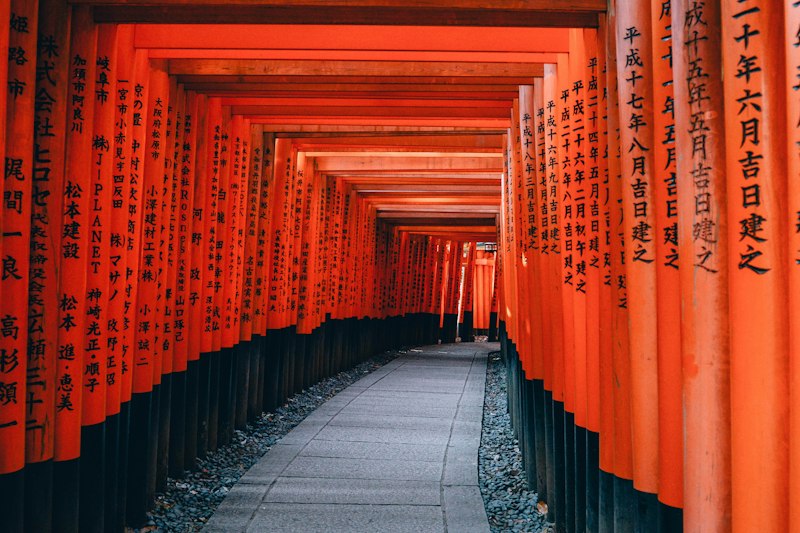
The thousands of vermilion torii gates of Fushimi Inari Taisha climb Mount Inari in southern Kyoto. The full loop to the summit and back is about 4 kilometres and takes 2 to 3 hours. Go before 8am, when the lower tunnels are quiet and the light through the gates is extraordinary. By 10am it is crowded. Entry is free and the shrine never closes.
Arashiyama Bamboo Grove and Tenryu-ji (Day 9 afternoon)
The Arashiyama bamboo grove is a short walk, but the sound of the towering stalks in the wind and the green light filtering down make it worth the trip. Pair it with Tenryu-ji (¥500 for the garden), ranked first among Kyoto’s five great Zen temples, whose garden by the monk Muso Soseki borrows the Arashiyama mountains as its backdrop. It is one of Japan’s finest examples of borrowed-landscape design.
Higashiyama District (Days 10 and 11)
Higashiyama is Kyoto’s best-preserved historic neighbourhood: stone-paved lanes climbing between old merchant houses and temple precincts, with the Philosopher’s Path running along a cherry-lined canal from the Nanzen-ji area to Ginkaku-ji (the Silver Pavilion). Wander Ninenzaka and Sannenzaka, stopping at Kodai-ji and its beautiful gardens, and climb to Kiyomizu-dera, the great temple whose wooden stage juts from the hillside on pillars joined without nails.
Kiyomizu-dera is most beautiful at 6am opening and during its evening illuminations in spring, mid-August, and autumn. Entry costs ¥500.
Nishiki Market and Gion (Day 11)
Nishiki Market, the “Kitchen of Kyoto,” is a covered street roughly 390 metres long with more than 100 shops selling pickles, grilled skewers, tofu, dashi, sweets, and plenty you won’t recognize. Eat at the stalls rather than while walking, and take pickles home.
Gion, Kyoto’s geisha district, is best walked in the early evening, when geiko (Kyoto geisha) and maiko (apprentices) may appear along Hanamikoji Street. The main street is open to visitors, but Gion’s private side lanes are off-limits, and signs warn of ¥10,000 fines for entering them or photographing geiko and maiko without permission. Watch quietly and give way. The Gion Matsuri in July, with towering floats paraded through the city, is one of Japan’s most famous festivals.
Nara Day Trip (Day 12)
Nara is about 45 minutes from Kyoto by express train and worth a full day. More than 1,000 sika deer roam Nara Park, protected as a natural monument and utterly unafraid of people; deer crackers (shika senbei) cost ¥200. Todai-ji houses Japan’s largest bronze Buddha, about 15 metres tall and dedicated in 752. Walk on into the forested hills to Kasuga Taisha’s lantern-lined paths, which many visitors miss.
Imperial Palace and Ryoan-ji (Days 13 and 14)
The Kyoto Imperial Palace is free to visit with no reservation needed (closed Mondays), and free English guided tours run daily. Across town, Ryoan-ji (¥600) holds Japan’s most famous karesansui (dry rock garden): fifteen stones in raked white gravel, viewed from the Hojo veranda. Likely created in the late 15th century, its designer and meaning remain unknown. Sit and look.
A short bus ride from Ryoan-ji, Kinkaku-ji (the Golden Pavilion, ¥500) is obligatory and deservedly famous: gold-leafed storeys reflected in a perfectly kept pond. Come at 9am opening for manageable crowds.
Ramen: Japan’s most democratic meal, with styles that vary by region: Sapporo’s miso ramen, Hakata’s rich pork bone (tonkotsu), Tokyo’s soy-based shoyu. Ichiran, the Fukuoka-born tonkotsu chain with solo booths and customizable bowls, has 24-hour branches in Tokyo. In Kyoto, Gogyo is known for its burnt miso and burnt soy ramen.
Sushi: Conveyor-belt chains (kaiten-zushi) such as Sushiro and Kura Sushi are cheap and genuinely good, with plates from about ¥120 and English touchscreen ordering. For market-fresh breakfast sushi, Tsukiji Outer Market still thrives in Tsukiji, even though the wholesale fish market moved to Toyosu in 2018. For a top omakase counter, book ahead through services such as TableAll or TableCheck and budget several hundred dollars per person.
Tempura: Vegetables and seafood in a whisper-light batter, fried at precise temperatures until shatteringly crisp. Tempura Kondo in Ginza is a benchmark.
Kaiseki: Japan’s multi-course tasting meal, rooted in the tea ceremony tradition: seasonal ingredients across many small courses, with great attention to vessels, temperature, and timing. Kyoto is its heartland. A full dinner at an established ryotei typically costs $100 to $250 or more per person, while lunch sets offer a far cheaper introduction.
Convenience stores (konbini): Japan’s 7-Eleven, FamilyMart, and Lawson are in a league of their own. Onigiri, sandwiches, steamed buns, and ready meals cost a few hundred yen and are genuinely good. A tuna mayo onigiri on a train platform at 7am is a legitimate Japan travel experience.
Hotel rates in Tokyo and Kyoto swing sharply by season, so treat these as starting points and check current prices.
Tokyo budget: Nine Hours Shinjuku-North is a sleek capsule hotel near Shin-Okubo Station, with pods often under $40. For a social hostel with private rooms, try Nui. Hostel & Bar Lounge in Kuramae, by the Sumida River near Asakusa.
Tokyo mid-range: Park Hotel Tokyo occupies the upper floors of a Shiodome tower, with artist-decorated rooms and bay views. Trunk Hotel near Shibuya’s Cat Street is a design-forward boutique in a great walking neighbourhood, usually priced at the upper end.
Tokyo splurge: Aman Tokyo, on the top floors of Otemachi Tower, has one of the city’s great urban spas; expect well over $1,000 a night. The Peninsula Tokyo faces the Imperial Palace gardens and consistently ranks among Asia’s best hotels.
Kyoto ryokan: A night in a ryokan is a non-negotiable Kyoto experience: a tatami room, a yukata to wear around the inn, an elaborate kaiseki dinner, a Japanese breakfast, and often a traditional bath. Hiiragiya in central Kyoto has welcomed guests since 1818. Tawaraya, founded in the early 1700s, is often called Japan’s most celebrated ryokan and is notoriously hard to book. Yoshida-Sanso, a 1930s former prince’s residence near Ginkaku-ji, is another top-tier splurge. For a more accessible full ryokan experience, Gion Hatanaka sits in the heart of Gion. Most ryokan price per person with meals included.
Late March to early April (cherry blossom season): Sakura usually peak in Tokyo in late March or early April, with Kyoto and Nara close behind. Hotels book out months ahead and prices climb sharply, but hanami (flower viewing) season shows Japan at its most festive. Stay flexible: peak bloom lasts about a week and shifts with the weather.
October to early December (autumn foliage): The koyo season moves from north to south and from mountains to cities. Kyoto in the second half of November, with the maples at Eikan-do and Tofuku-ji ablaze, is one of the most beautiful sights anywhere.
May: After the blossoms and before June’s rainy season and summer heat. Excellent travel conditions outside Golden Week (late April to early May).
July and August: Very hot and humid. During Obon in mid-August, many residents travel to their hometowns; trains and highways get busy and some small businesses close.
December to February: Cold (Tokyo daytime highs around 10°C, Kyoto often chillier), with crisp light, thinner crowds, and good prices outside New Year. Ski resorts such as Niseko, Hakuba, and Nozawa Onsen are at their best.
Fly into Tokyo Haneda (HND), about 30 minutes from central Tokyo, or Narita (NRT), about an hour away by the Narita Express. For an efficient open-jaw trip, fly home from Osaka’s Kansai Airport (KIX), about 75 minutes from Kyoto on the Haruka limited express.
Japan Rail Pass: A 14-day pass costs ¥80,000 (rising to ¥84,000 for purchases from October 1, 2026). Since the 2023 price increase, it no longer automatically pays off on a simple Tokyo to Kyoto round trip (about ¥14,170 each way on the Nozomi), so price your actual route first. It suits travellers covering long distances, such as adding Takayama, Hiroshima, or Kinosaki. It covers Shinkansen and most JR limited express trains (Nozomi and Mizuho trains require a supplement) and can be bought online through the official JR Pass website or authorized agents.
IC cards: Pick up a Welcome Suica at the airport (no deposit, valid 28 days), a standard Suica or PASMO (¥500 refundable deposit), or add Suica to your phone. Tap in and out on trains and most buses, and pay at convenience stores and vending machines.
Navigation: Google Maps handles Japanese public transport brilliantly, with lines, platforms, and transfers in English.
🎒 Pack for Japan: Lightweight Slip-On Travel Shoes · Compact Packable Daypack · Travel Chopsticks Set · IC Card Holder RFID · Portable Luggage Scale
🗺️ Book Japan tours and experiences: Tokyo street food and Tsukiji market tour on GetYourGuide Kyoto temples and geisha district walking tour on GetYourGuide Japan tours and experiences on Viator Japan day tours and activities on Klook
🛡️ Travel insurance for Japan: Get covered with SafetyWing → 🔒 Stay secure on public Wi-Fi: Get NordVPN →
Japan surprises even people who have travelled widely. You arrive with expectations set by photographs, and Japan quietly exceeds them: the train that is on time to the minute, the meal as good as any you’ve had, the garden that achieves something with sand and stone you couldn’t have imagined before you sat in front of it. Japan raises your sense of what is possible in a city, a meal, a hotel room, or a train journey. It is the kind of travel that changes the standards you bring home.