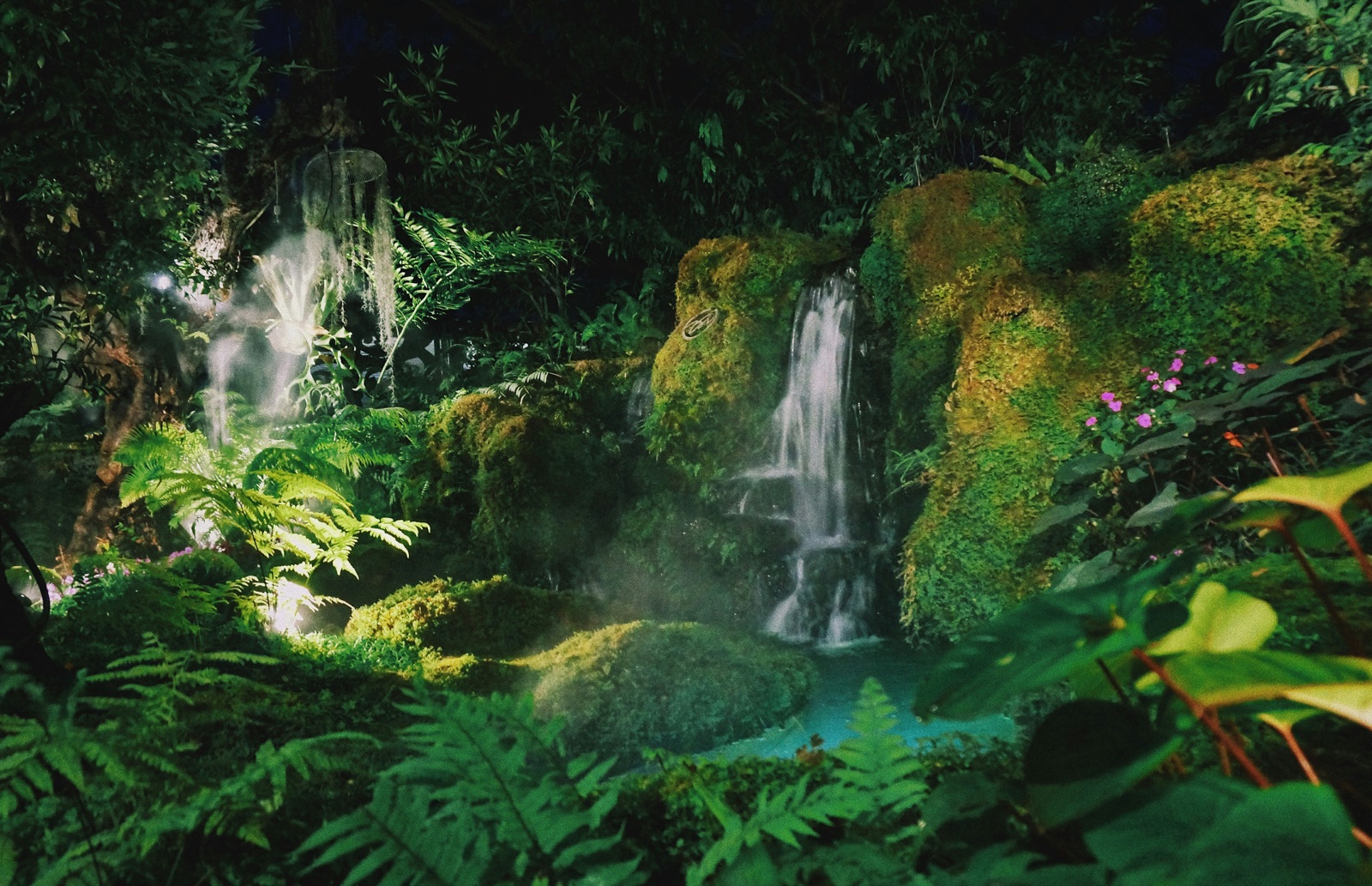
Costa Rica packs volcanoes, rainforest wildlife, and world-class surf into one small country. Here's how to see the best of it without a tour group.
The howler monkeys start before dawn, a deep, prehistoric roar that rattles through the canopy and tells you that you are somewhere wild. Steam curls off Arenal Volcano in the pale light, and toucans are already busy overhead. The air smells of wet earth and blossom. On a beach somewhere along the coast, a sea turtle is dragging herself back to the water after a night of nesting. This is Costa Rica on an ordinary morning. Locals have a phrase for it, pura vida (pure life), and within a day you’ll understand it is less a greeting than a worldview.
Costa Rica covers about 0.03 percent of the Earth’s surface yet shelters roughly six percent of the planet’s known species. What sets it apart from other biodiversity hotspots is how accessible it all is. Decades of investment in eco-tourism and protected areas mean you need no special permits to see cloud forests, active volcanoes, and nesting turtles: just a rental car, a sense of adventure, and a willingness to wake up early. Add political stability (the country abolished its army in 1948 and redirected the budget to education and healthcare) and you have Central America’s most rewarding destination for independent travellers. This guide covers the best time to visit Costa Rica and the top things to do in Costa Rica.
Arenal Volcano and the Hot Springs Circuit Arenal’s near-perfect cone is one of Central America’s most iconic sights. Base yourself in La Fortuna, where hot-spring resorts tap geothermal water heated by the volcano. Baldi Hot Springs is the most popular; Tabacón is the most luxurious, with natural river pools beneath jungle cascades. For volcano views, hike the lava-field trails at the private Arenal 1968 reserve or in Arenal Volcano National Park. Add a white-water rafting trip on the nearby Río Balsa or Río Toro with a La Fortuna operator such as Desafío Adventure Company, and you’ve ticked off three bucket-list experiences in a day.
Monteverde Cloud Forest Reserve Perched at around 1,400 to 1,800 metres, Monteverde lives in near-permanent mist. The reserve protects some 10,500 hectares (about 26,000 acres) of cloud forest and is one of the best places in Costa Rica to spot the resplendent quetzal, whose iridescent tail feathers were prized by the Maya and Aztecs. Hire a local naturalist guide for an early-morning walk; they spot creatures untrained eyes miss. Afterwards, fly through the canopy on Selvatura Park’s 13 ziplines, or take a quieter, vertigo-inducing stroll across the hanging bridges at Selvatura or Monteverde Sky Adventures. Visit mid-week to avoid weekend crowds.
Pacific Coast: Surf, Wildlife, and Yoga Costa Rica’s Pacific coast has three distinct personalities. Tamarindo, in Guanacaste, is the surf capital: consistent beach breaks, a lively town, and surf schools everywhere, including the well-known Witch’s Rock Surf Camp. Several hours’ drive south, Manuel Antonio National Park is one of the country’s smaller parks but its most visited, and wildlife-rich: white-faced capuchins stroll the trails and sloths hang above pristine beaches. Tickets are sold only online through SINAC, and the park is closed on Tuesdays. Across the Gulf of Nicoya, on the tip of the Nicoya Peninsula, Santa Teresa is a barefoot bohemian enclave of dirt roads, yoga studios, and surf that suits beginners and experienced riders alike.
Caribbean Coast: Chocolate, Coral, and Sea Turtles Puerto Viejo de Talamanca feels like a different country: Afro-Caribbean culture, a reggae soundtrack, and seriously good rice and beans cooked in coconut milk. Take a chocolate tour at Caribeans and taste cacao straight from the pod. Nearby Cahuita National Park protects one of the country’s best coral reefs; entry at the Cahuita town gate is by donation, while the Puerto Vargas sector charges a standard fee. For the most unforgettable experience of all, head north to Tortuguero, reachable only by boat or small plane. Green turtles nest there from roughly July to October (peaking in August), and leatherbacks from about March to June. A guided night tour with a certified guide is required to watch nesting, and it is two hours you will never forget.
Budget: Arenal Backpackers Resort in downtown La Fortuna has dorms, private rooms, and safari tents, plus a pool, a big jacuzzi, and easy access to Arenal excursions.
Mid-range to luxury: Arenas del Mar in Manuel Antonio is a boutique eco-resort above two beaches, with the kind of howler-monkey alarm clock no city hotel can replicate. Expect upscale rates, typically several hundred dollars a night in high season.
Luxury: Nayara Springs near Arenal is an adults-only retreat of villas with private plunge pools fed by hot springs, set in rainforest gardens. Rates often exceed $1,000 per night, worth it for a special occasion.
Dry season (December to April) brings reliable sunshine and peak crowds, especially around Christmas and Easter. Green season (May to November) brings afternoon showers, lush landscapes, and lower prices. The sweet spots are May to June and November, with thinner crowds and manageable rain. The Caribbean coast follows its own rhythm, with drier conditions in September and October, when the Pacific is at its wettest.
San José’s Juan Santamaría International Airport (SJO) is the main gateway, with direct flights from many US and Canadian cities. Liberia’s Guanacaste Airport (LIR) is convenient for the northern Pacific beaches. A 4WD rental is strongly recommended, especially in the wet season when back roads turn to mud; budget for mandatory local liability insurance on top of the daily rate. Shared shuttles such as Interbus connect the main tourist hubs if you’d rather not drive.
🎒 Pack for Costa Rica: Insect Repellent · Reef-Safe Sunscreen · Quick-Dry Travel Clothing · Waterproof Dry Bag · Lightweight Hiking Sandals
🗺️ Book tours & experiences in Costa Rica: Browse on GetYourGuide → · Browse on Viator →
🛡️ Travel insurance for this trip: Get covered with SafetyWing → 🔒 Stay secure while travelling: Get NordVPN →
Costa Rica doesn’t make you choose between adventure and relaxation, wildlife and beaches, budget travel and luxury. It simply says pura vida and throws open every door at once. A country this small has no right to hold this much wonder, yet here it is. Book the flight. The howler monkeys will handle your wake-up call.